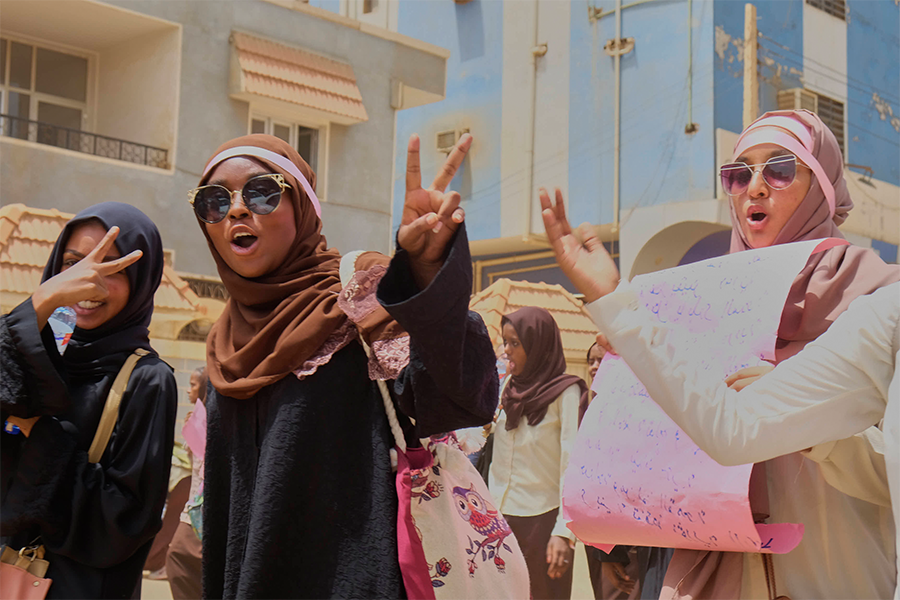
Beginning in late 2018 and continuing into 2019, after three decades under a brutal autocratic regime, millions united to demand an end to oppression in Sudan. Despite the risk of harassment, arrest and even death, women played pivotal roles in the non-violent revolution.
Women were highly visible protesters, leaders and mobilizers. They catalyzed groundbreaking political change, putting their bodies and lives on the line. The lack of women’s rights was a key motivation for revolution. Equality was seen as critical to combatting a repressive social and political order, and the pervasiveness of sexual and gender-based violence.
In late 2019, Inter Pares travelled to Sudan and witnessed a country transformed, a country with hopes for a peaceful transition to democracy. We met with courageous women (and a few men) involved in the revolution to learn more about their struggles, their moving accounts of the uprising, and their ambitions for the future.
These are their stories.
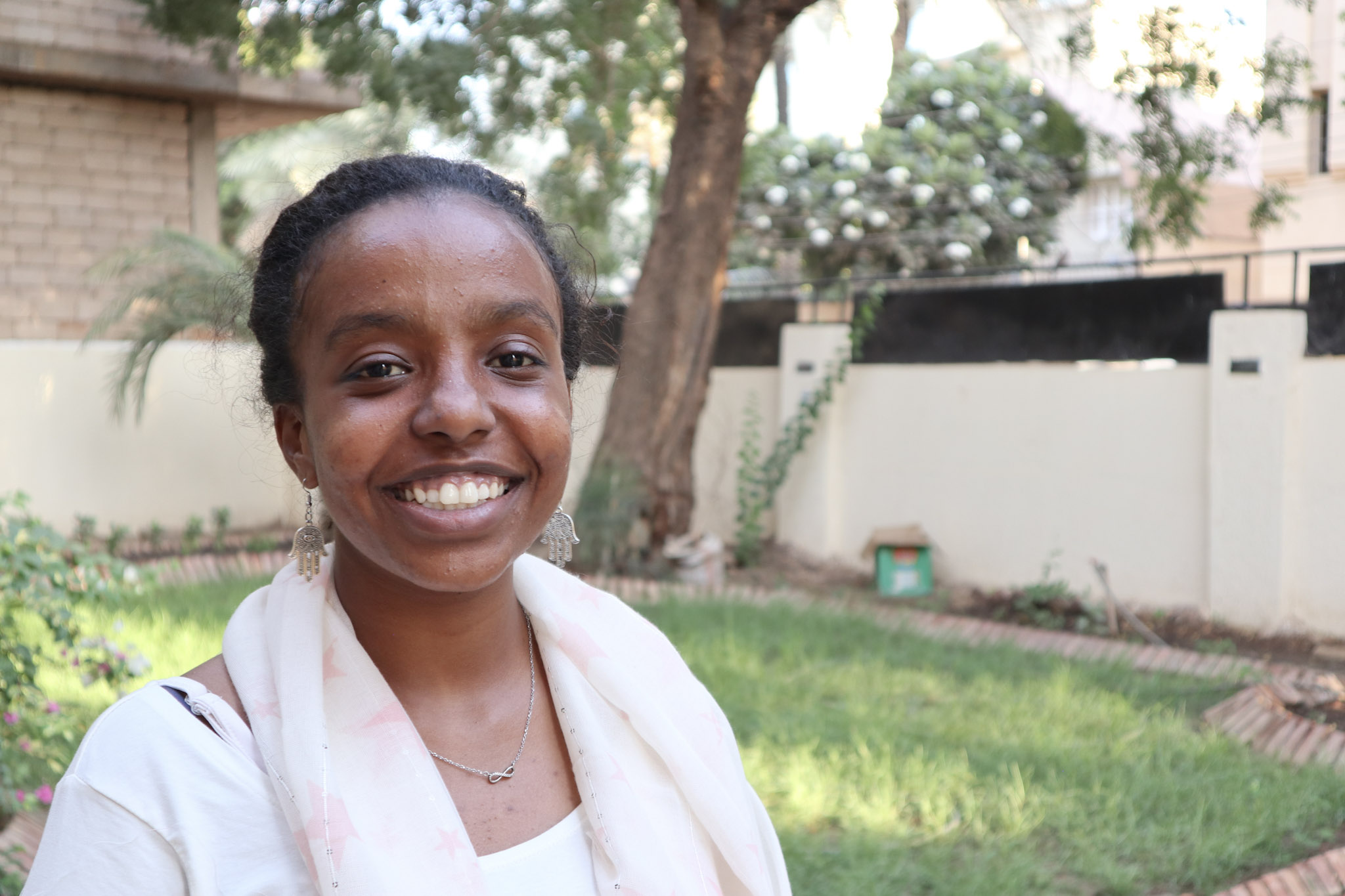
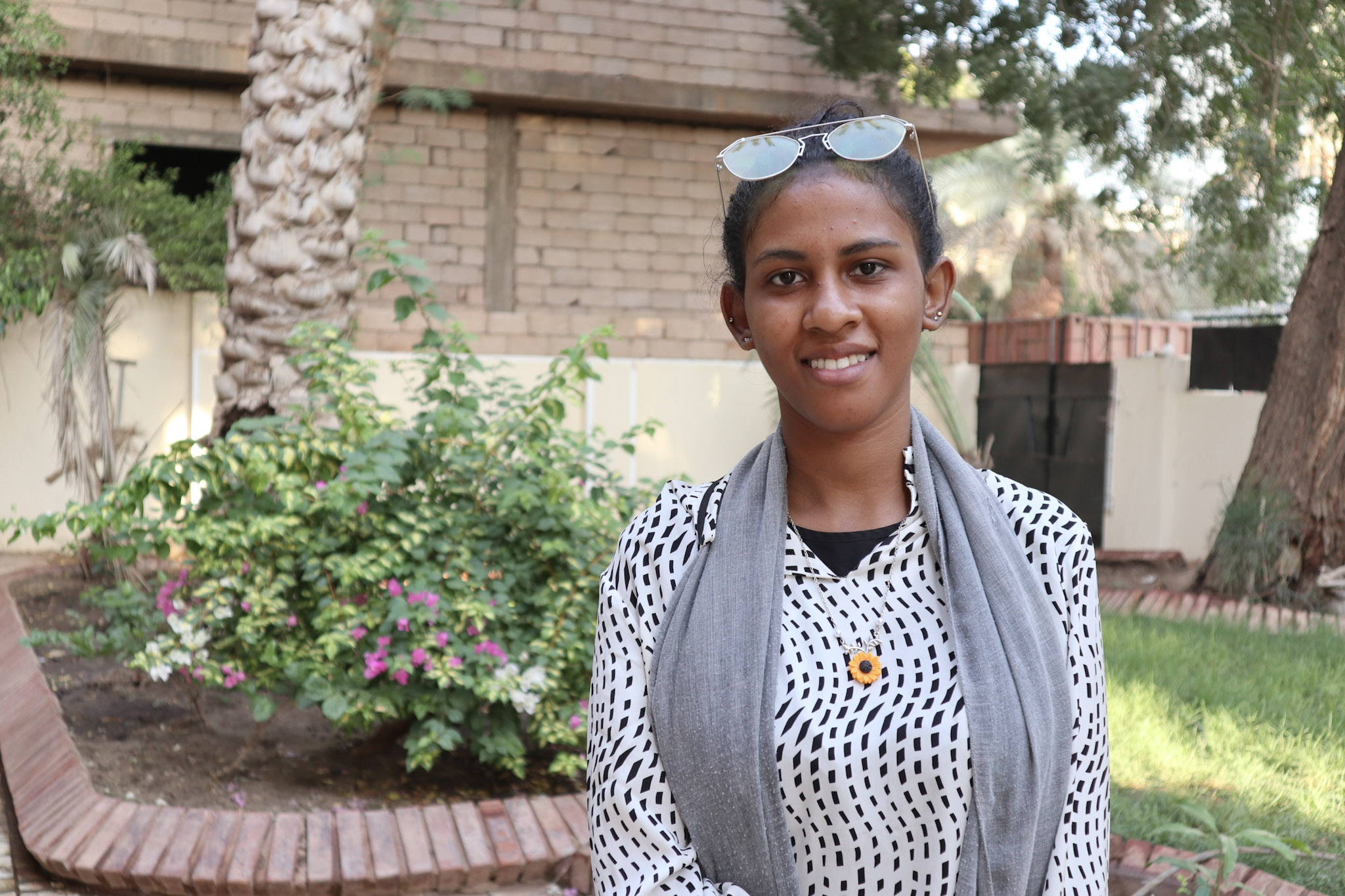
Mahasin and Inaam
We believe in this new Sudan, where women will be safe on the streets. This revolution is all about the next generation. We don’t want to give birth to daughters who will go through everything we’ve been through. The experience of women isn’t class-related. All classes in Sudan suppress women. During the protests, we started an independent revolutionary feminist movement because we felt no one represented us. We organized teams to raise awareness about sexual harassment and create a safe space for women and girls. To see sexual harassment during the protests perpetrated by men, and not just the security forces, was depressing. Sometimes we felt “we don’t want to continue – nothing is going to change” . . . and then we just continued.
Though Sudan’s 2005 constitution guarantees equality, a series of interconnected laws enshrine discrimination against women. They criminalize the way women dress and behave, deny them freedom of movement and, ultimately, restrict their ability to live life on their own terms and fulfill their aspirations. Part of the work of the current political transition is to fully dismantle this patriarchal legal framework.
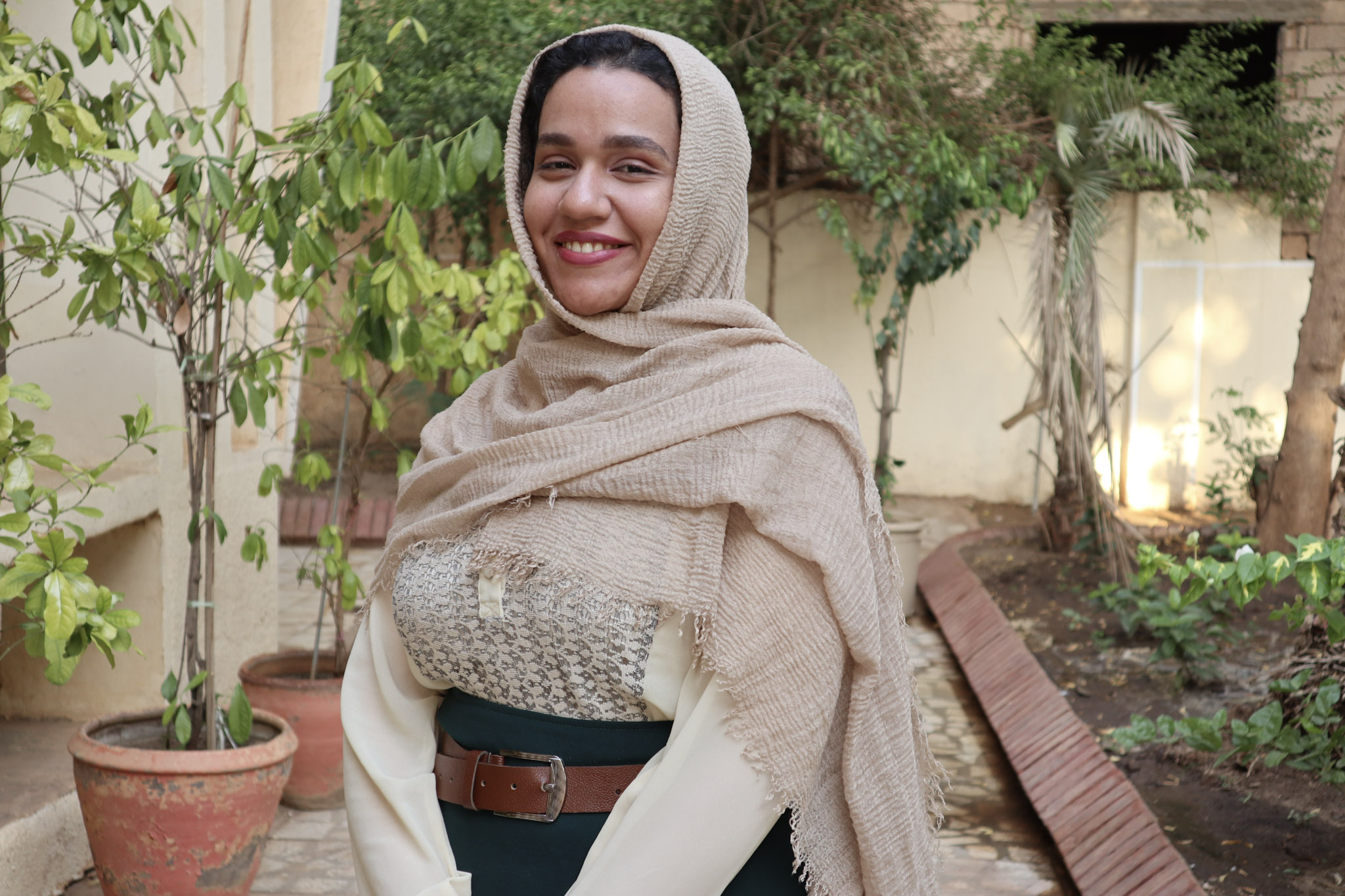
Muna
Sometimes we didn’t know what we were doing, just that we had to be there. There could always be danger, and you come thinking this could be your last day. You know your country does not support the ideas you are expressing. There were no rules. We were improvising at the beginning. We felt responsible for the revolution’s future regardless of what our parents thought; most of the girls I know went behind their parents’ back. I was anxious but also driven and looking forward to positive change. I thought that as long as my people are protesting, I will be there.
The 2019 uprising was not Sudan’s first popular revolution. Women have played pivotal roles in the past, though previous uprisings have not necessarily brought in regimes that favour women’s rights. This revolution made an explicit call for women’s rights.
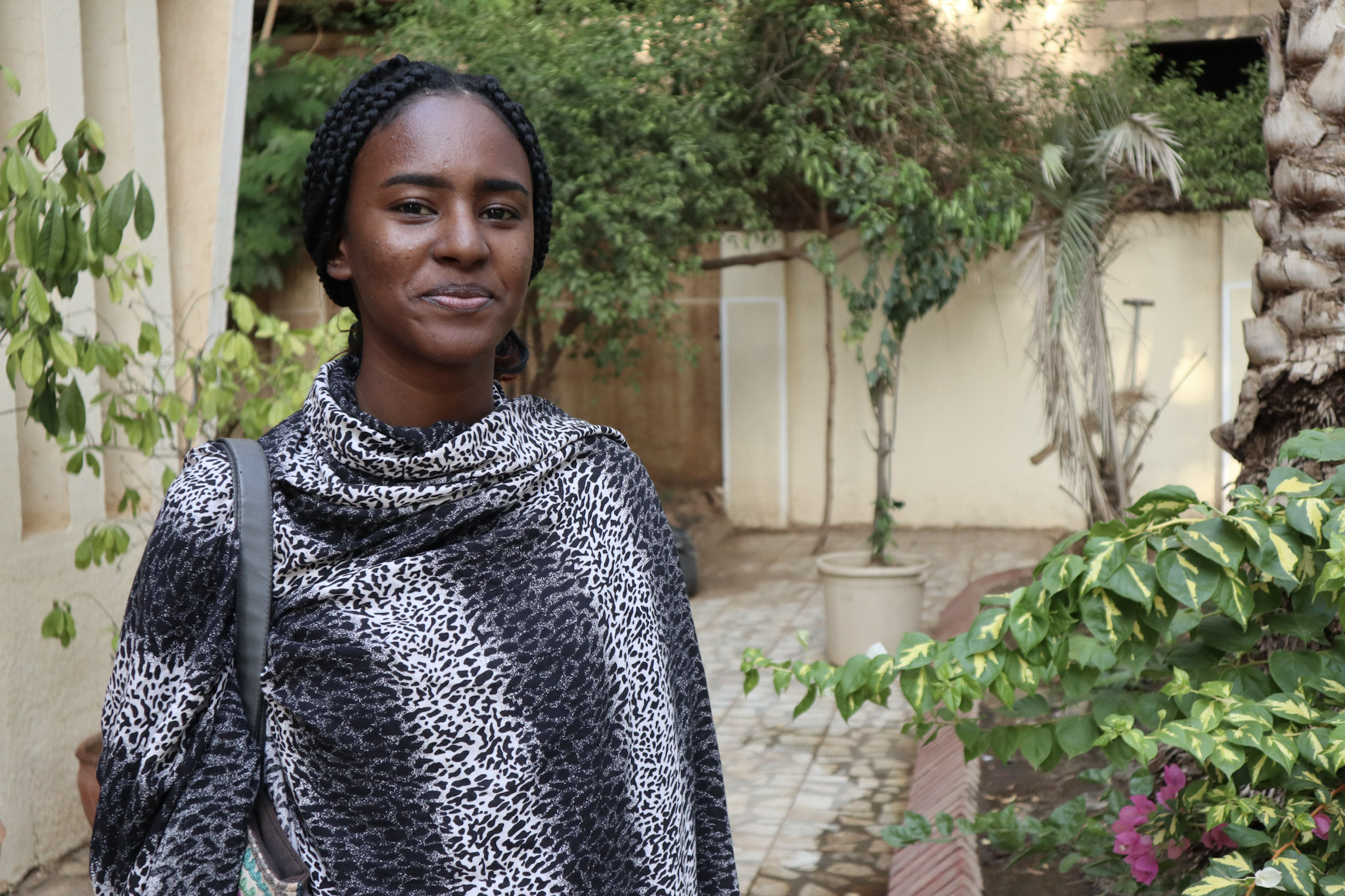
Sara
I am a medical student and volunteer for an organization that raises awareness in public schools on sexual and reproductive rights, especially sexual harassment, child marriage and female-genital mutilation. Discussing these issues is very sensitive; it’s even frightening – we thought we might get arrested. But we can offer awareness to the next generation. I come from a very supportive family and I believe that revolution is in our culture. In September 2013, many students organized a protest and hundreds died. It was terrible. I protested at the beginning in December 2018 and got arrested. I had post-traumatic stress, but my family took care of me.
Approximately one third of all girls under 18 in Sudan are married, some as young as 10 years of age. For legal reforms to be effective, social and religious norms will have to change as well. Young feminists such as Sara have an important role to play in this transition.
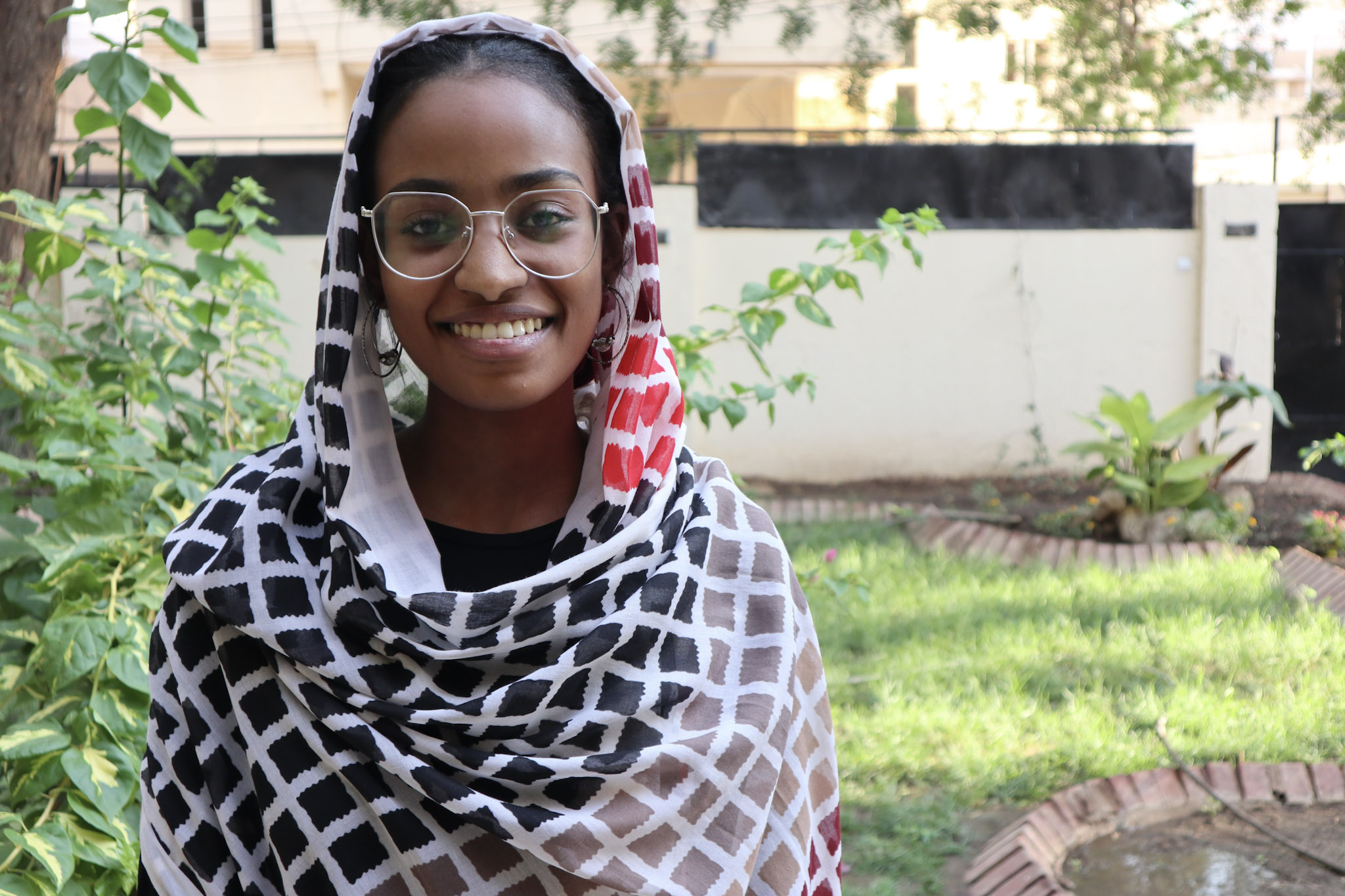
Shaza
I come from a very conservative family, so I secretly went to the protests every day. I have told my mom since, but my dad still doesn’t know. Yes, it’s a gender thing. They would let my brothers go. A friend said to me one day, “If I die over here my parents are going to kill me!” [laughing]. For me, it’s not over. I have very high hopes, and I continue to participate in the movement. One year ago, we thought nothing would ever change. This experience was a massive change in my life. This has been the best part of my life. We all had the same goal.
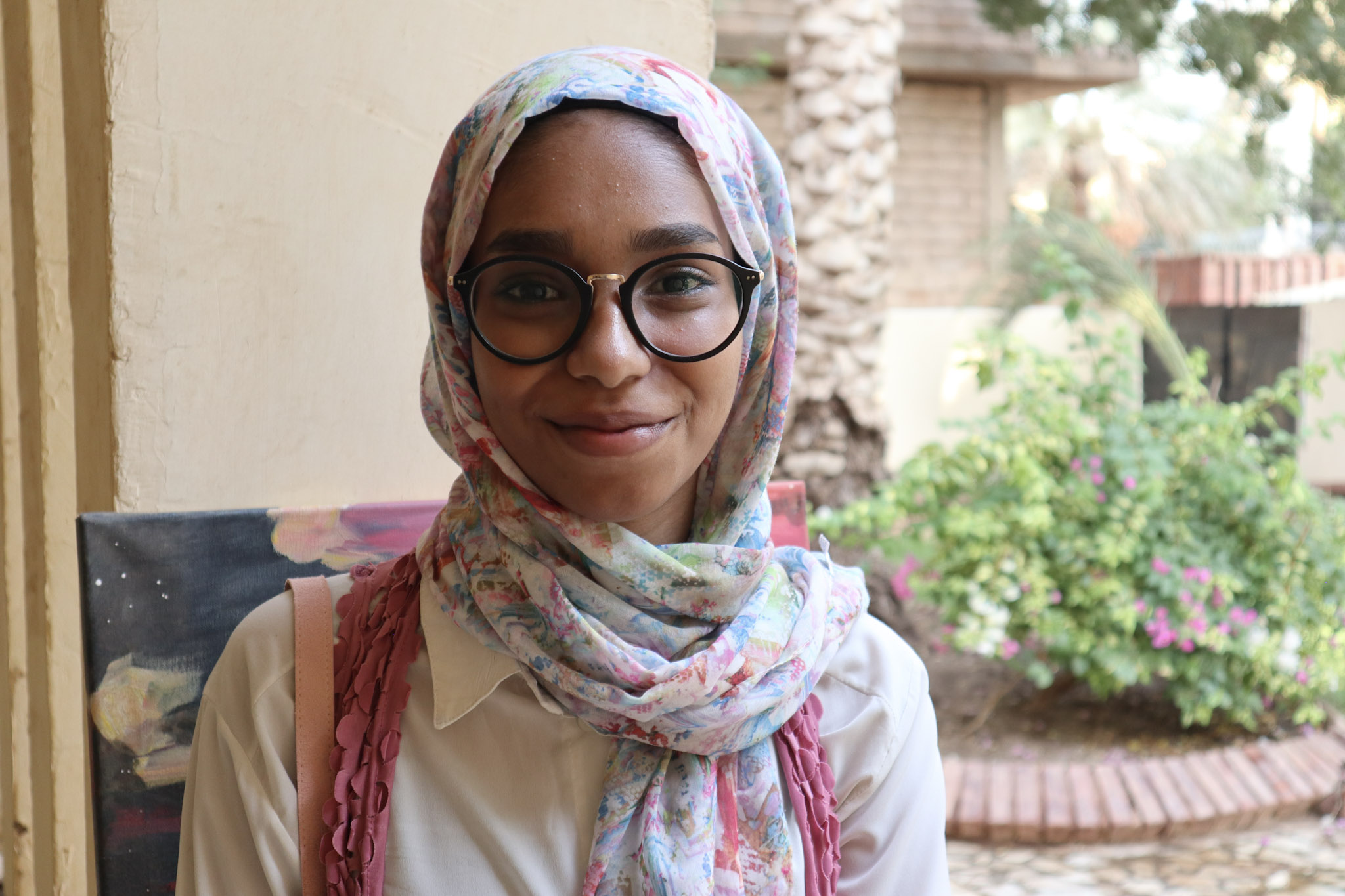
Mahab
We came to live in Sudan two years ago, and I never felt like I belonged. After the revolution, I really felt like I belonged. Before, I never wanted to study medicine, but now I want to become a psychiatrist. Here, no one really takes mental illness seriously. I believe I can change peoples’ perspective of mental illness. For the revolution, I have a lot of hopes. I don’t think these hopes are going to become real anytime soon. Okay, so there are some changes, but the older generation still isn’t supportive – my family isn’t supportive.
Maryam
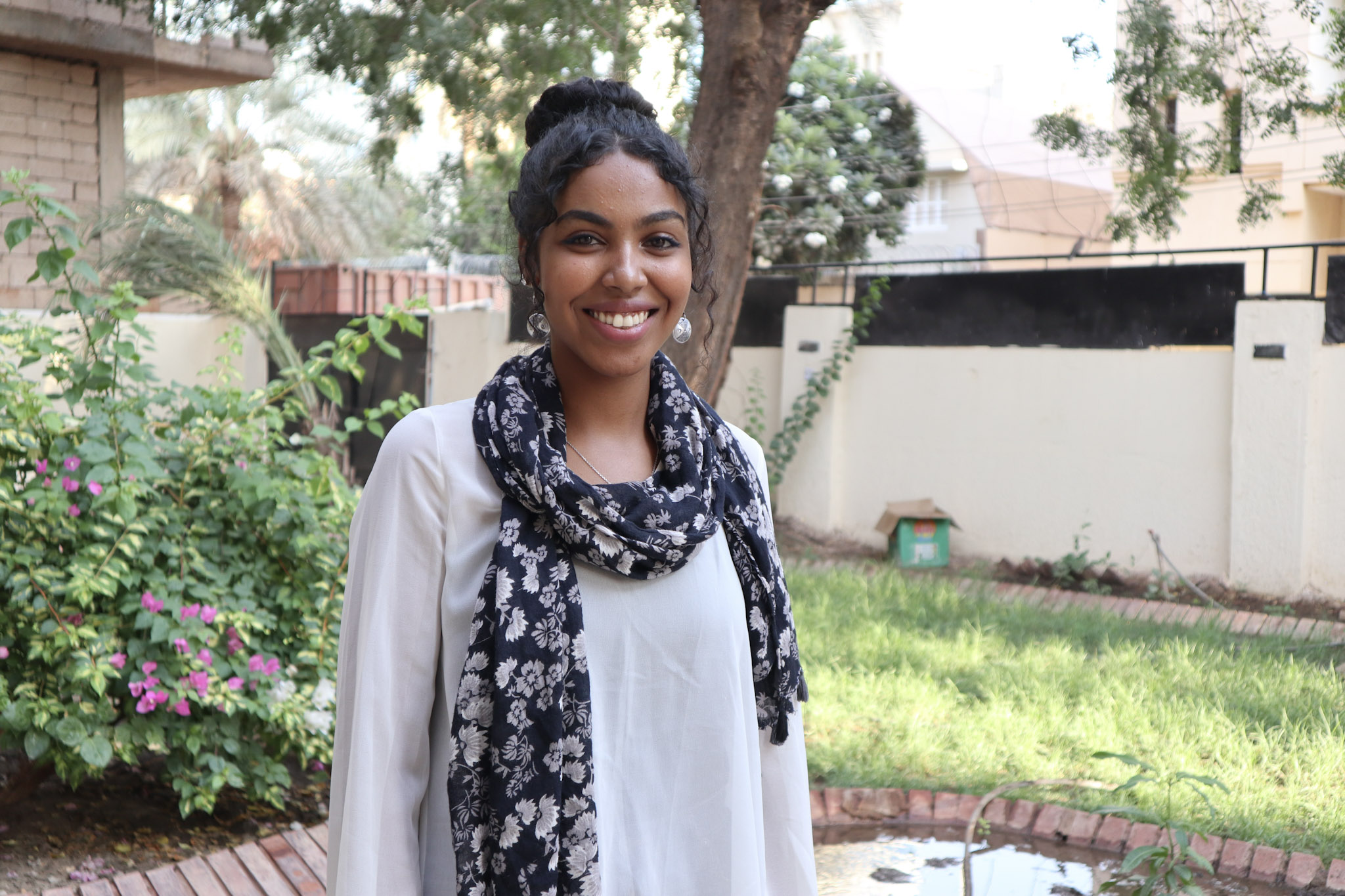
I got arrested with my friends. The first time I went out, the security forces came after us. I didn’t know where to run. We tried to hide in a restaurant, but it was a disaster. Some girls hid in the bathroom and got beaten up. Some guys got their heads shaved. The security forces used human fear as entertainment. They would ask someone to read a blank piece of paper and beat them up when they didn’t say anything. I thought my first day going out to protest would be my last. After we went to the station, luckily they released me. I went out every day after that. As a girl in Sudan, when you’re walking down the street, you don’t feel very comfortable, but during the revolution – these were the only days that I actually felt secure. We came together to achieve one goal and I think this is so beautiful.
Sara
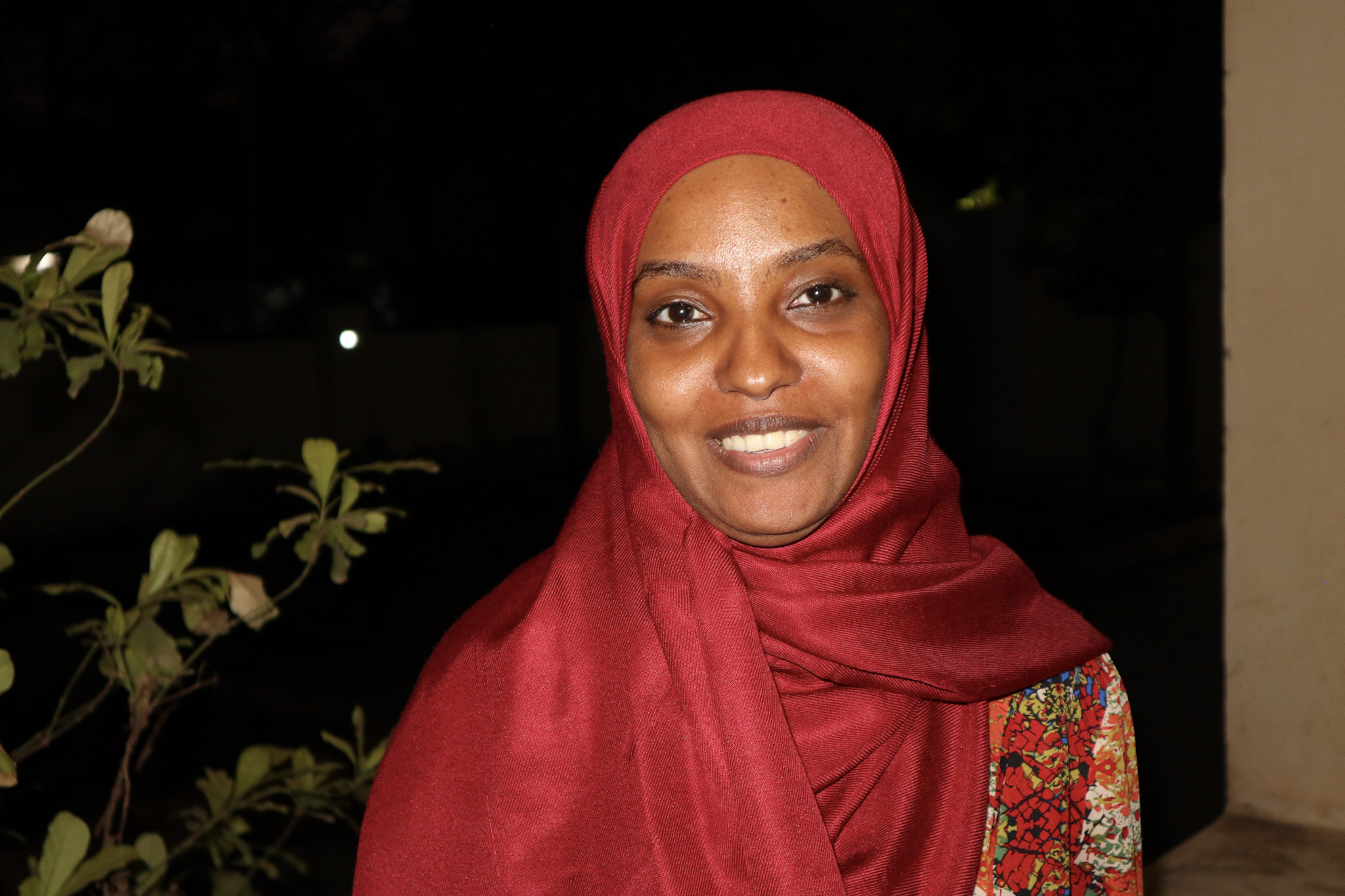
We have been in a mess for 30 years. Our generation has been dreaming of change, and we want to do it our way – with equality and justice. On April 11, after al-Bashir was gone, we waited. Who would replace him? Then we heard there was going to be an announcement. Every car on the road stopped. Complete silence. We could feel the disappointment [as another member of the military was announced to replace al-Bashir]. Everybody started shouting, “No soldiers!” We thought we could stay in the sit-in forever until there was a civilian government. After the June 3rd massacre, all Sudanese were upset. Then there was the internet blackout. I couldn’t talk to anyone for 12 days. But after this massacre, my mother even said, "We all have to go out to protest." Her acceptance was powerful. The next big protest was June 30. I thought, we have to be alive together or die together. Everyone was there – they have always been scared of us in groups.
The June 3rd massacre took place in 2019 when security forces used brutal force to dismantle peaceful protests in Khartoum. Over 100 deaths have been documented, in addition to rape and assaults.
Triumphantly, tens of thousands marched on June 30th to show that they would not be intimidated. Together, people achieve far more than they can individually. The ambition and success of the Sudan uprising speaks volumes to the power of people organizing to make political change.
Afraa
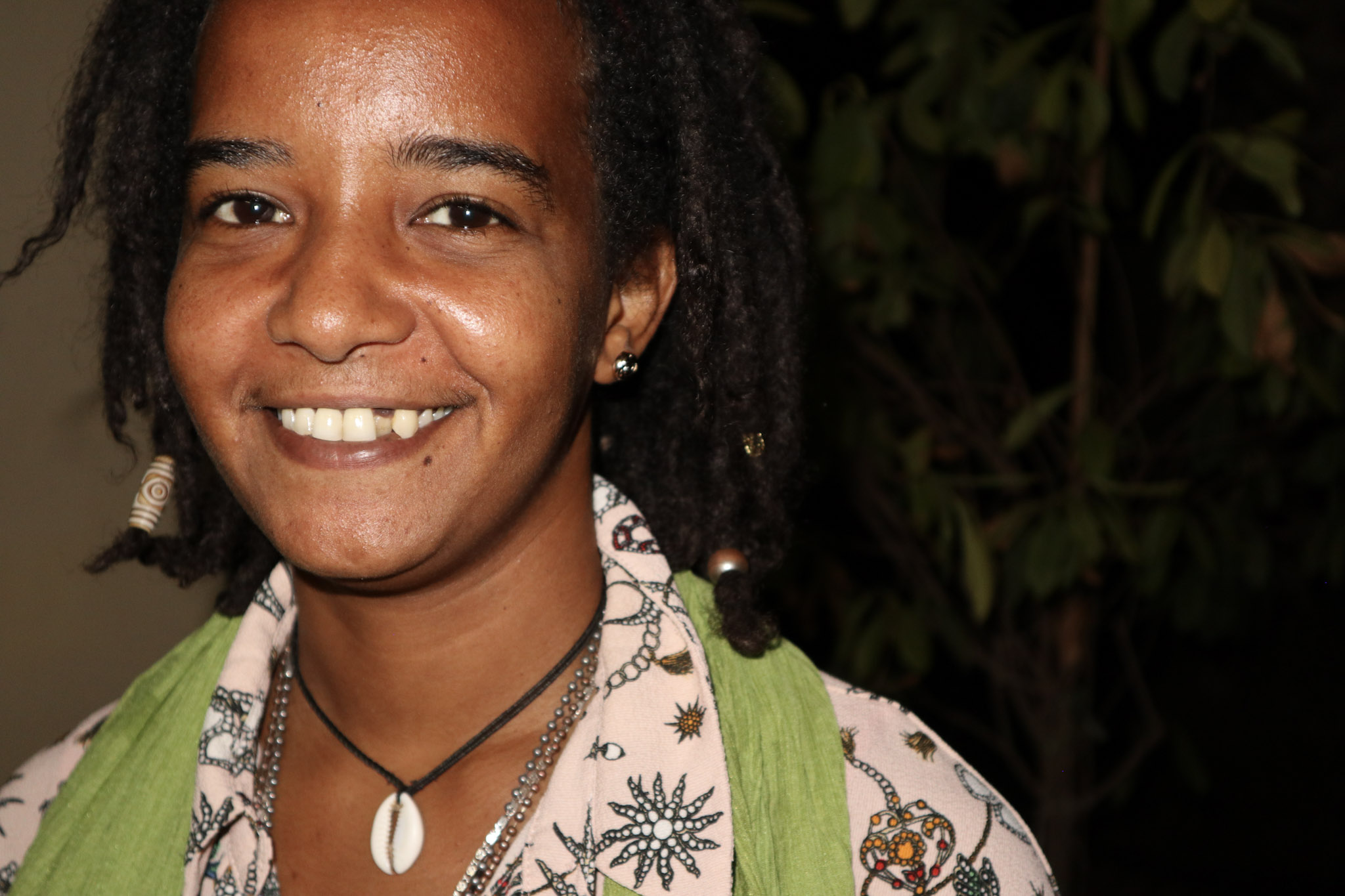
I’m a filmmaker. During the 2013 protests, I was beaten and arrested. I was angry and it motivated me to go out during the revolution. We protested in Omdurman; at the beginning, we were just sitting as friends. We saw there were some problems among the protesters, so we began organizing and talking to the protesters about non-violence. As filmmakers, we started taking footage to document our struggle. I felt I had a special responsibility to witness and accurately document the protests. The idea was to create a website, but the footage was confiscated. Of course we’ll be patient, but for me, the change is not taking place fast enough, especially with certain laws and policies. The chief justice is a woman, but if she doesn’t do her duty, we will speak out.
As in 2013, citizens played a critical role in documenting the 2019 uprisings and spreading live updates and information, largely online. Political accountability is key for the transition in Sudan.
The Parliament under al-Bashir had a quota of 25 per cent women. However, with no true feminist representation, the goals of women’s rights were ignored. During this transitional period, women’s rights organizations will monitor how gender-responsive proposed and actual changes are.
Misson
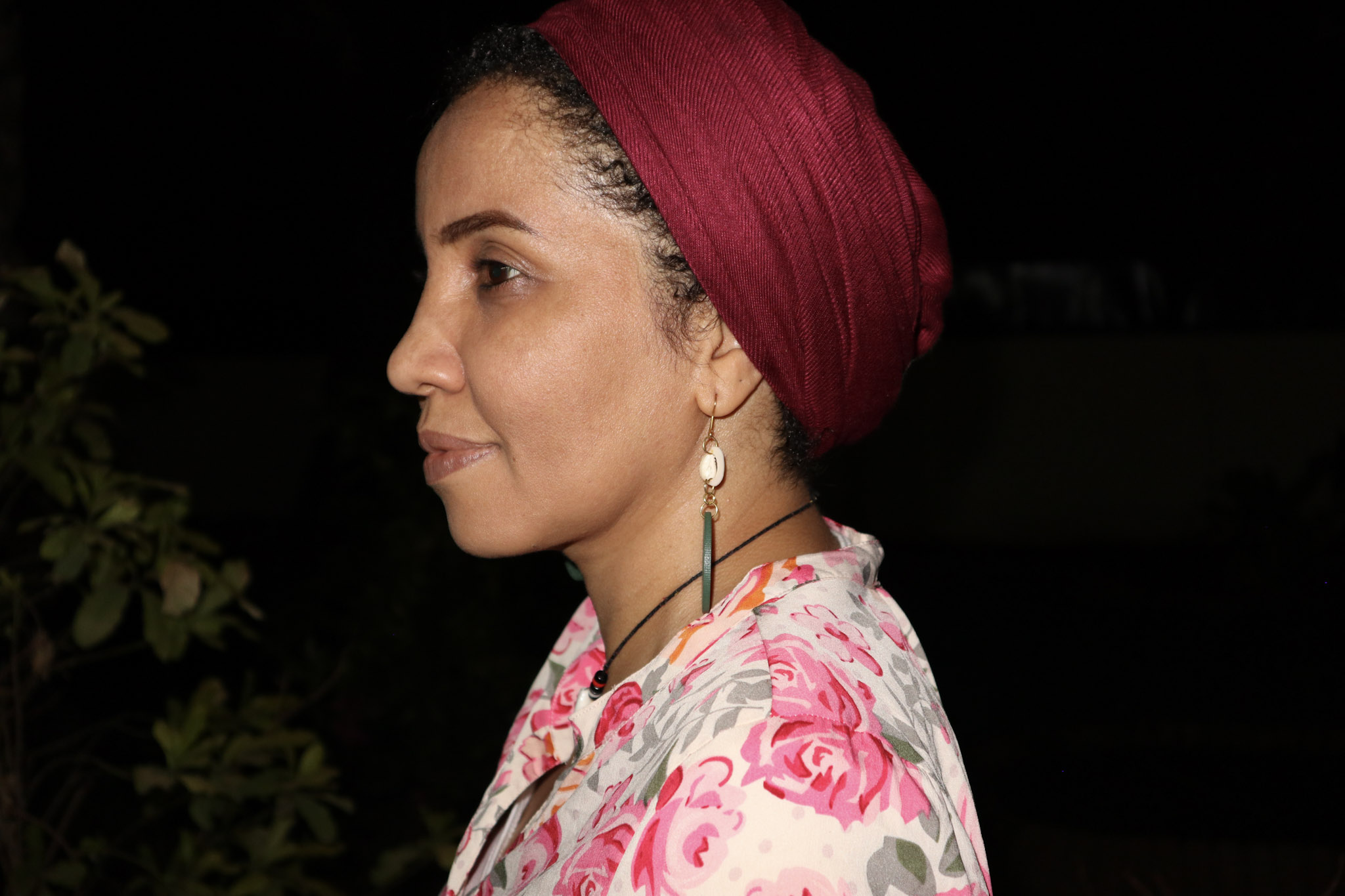
I’m not optimistic at all. The military are part of the government – they are the hands of al-Bashir. The negotiators made a lot of compromises. This is nonsense. We will die before accepting the military. Since 2013, we have been breathing in tear gas, and sitting in blood. During the [June 3rd] massacre, my cousin died. We have all lost someone. The whole country experienced trauma. My ex-husband came to my house for shelter. His head had been shaved, and he was covered in blood. He couldn’t speak for 10 days. The June 30th protest was organized underground and it was a victory. The sit-in was very important for the youth to come together, to learn more about their rights and organize themselves. My daughter is 16 and was very shy. The sit-ins helped her become more confident. But we deserve better than this. The revolution is not over.
Rania
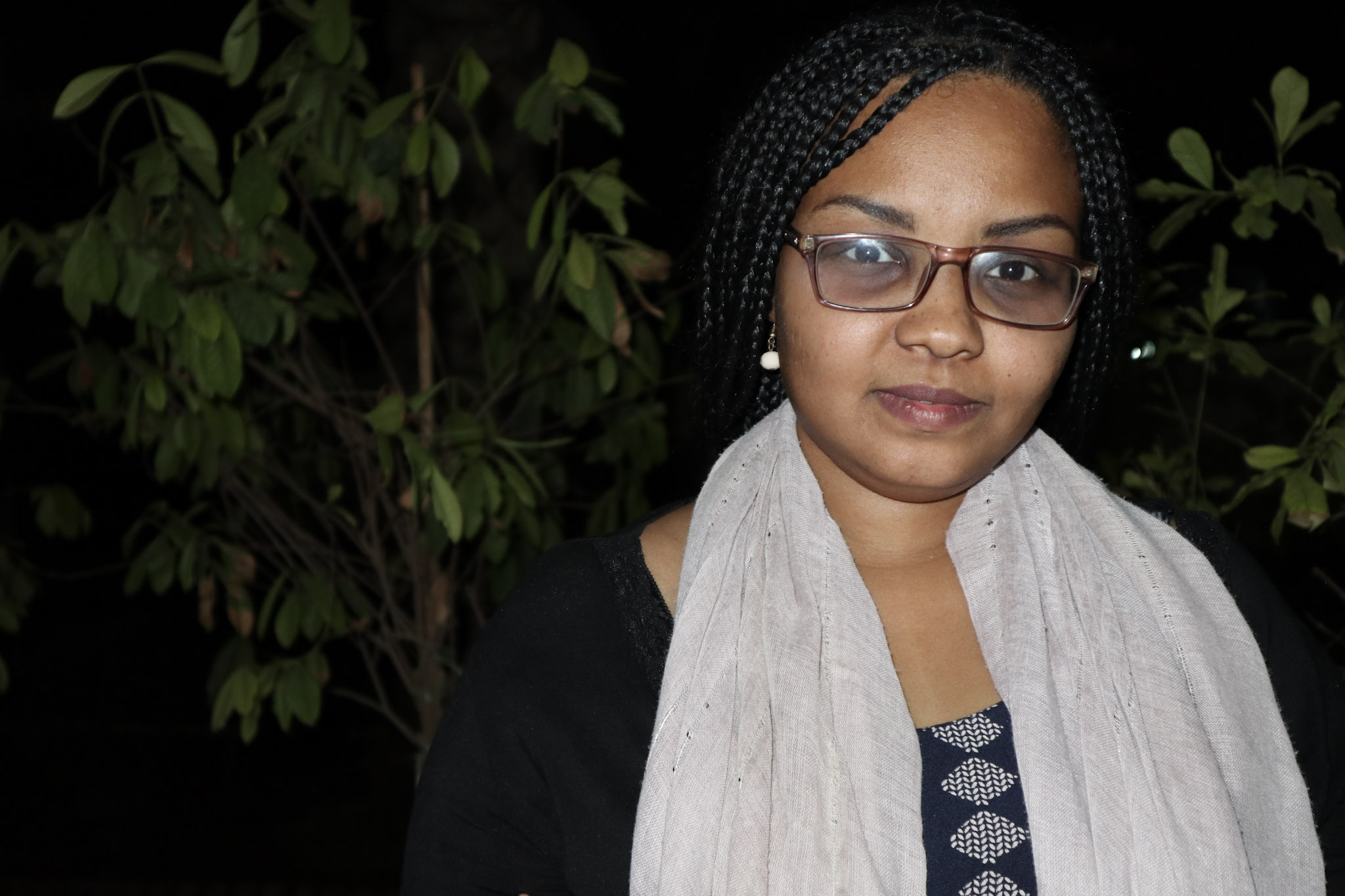
We want real change. In the laws, the structures. Nothing much has happened yet, but I’m on the optimistic side. I am less afraid. I tried to wear a short dress outside as an experiment! And I was sitting close to a boy the other day. A policeman came and told me that it was improper, but he didn’t press charges and wasn’t aggressive. The Minister of Justice said he has cancelled the public order laws [governing “indecent dress” and behaviour]. People celebrated. I believe a change in the culture will follow. People can bully you, but the law will not be on their side.
For young women in particular, this revolution could be life-changing. The public order police and courts, which gained prominence during the al-Bashir era, routinely handed out fines and lashings to women deemed to be dressing and behaving “inappropriately”. Girls and women have a newfound freedom they can enjoy every day.
Maaz
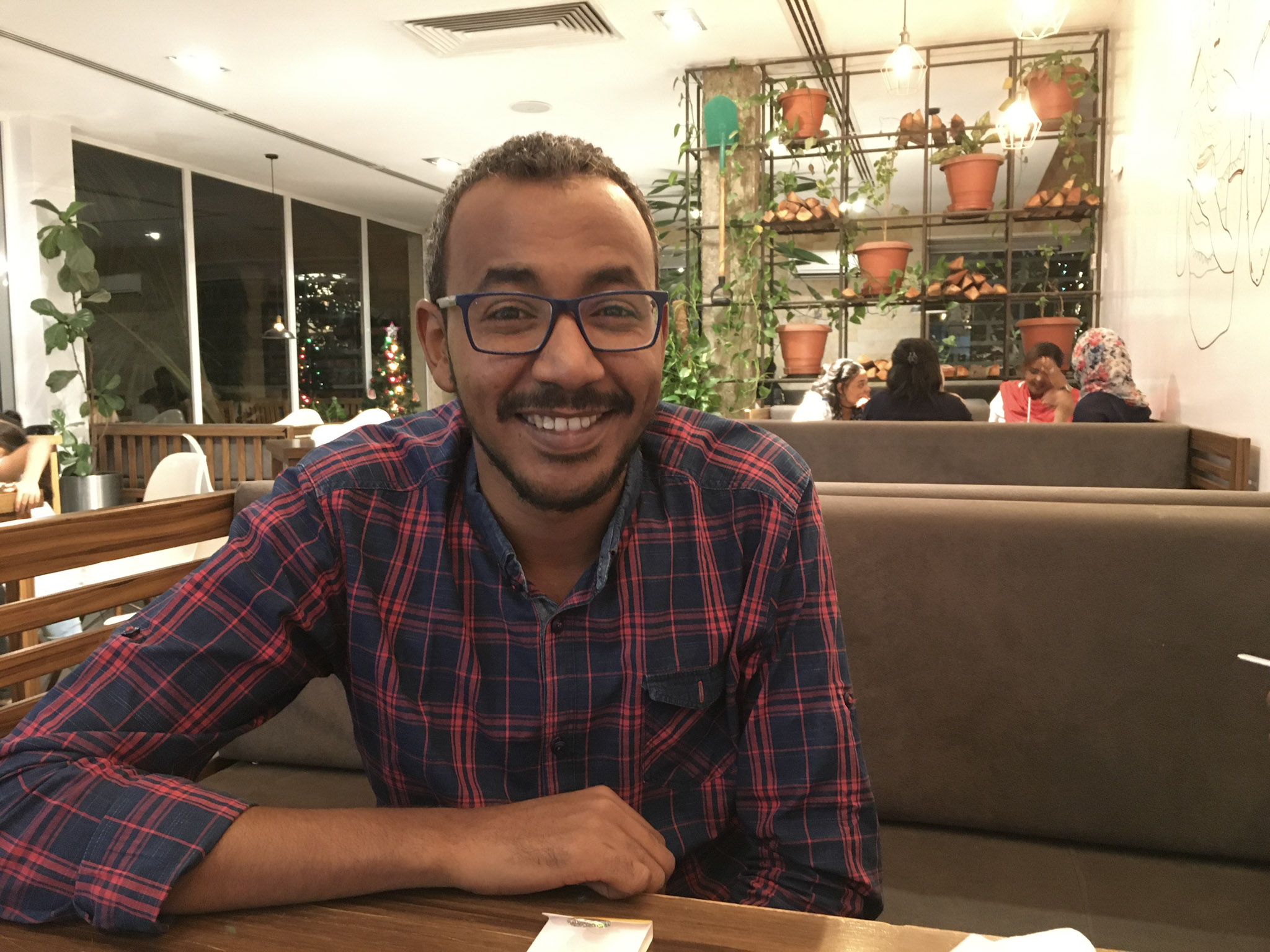
The day of the massacre in June, when I first approached the sit-in area, I didn’t think anything was happening. But when I reached the university, I heard gunshots. And then I saw them coming towards me. I froze at first. Then I also started running. Everyone was running. . . I lost a lot of people. We should gain something from this revolution. It is hard to change things after 30 years of oppression, but we should give the new government some time. If they don’t change, they know the protests will come back. Today, I saw people organizing for labour rights in the open on the street. This is change.
Maaz is a member of SWRC, a feminist activist organization. He sees the importance of men being allies in the struggle for women’s rights. Many young people of all genders participated in the revolution, risking their lives for a different political and social order in Sudan – one that includes women’s rights.
Zaynab and Mohamed Ali
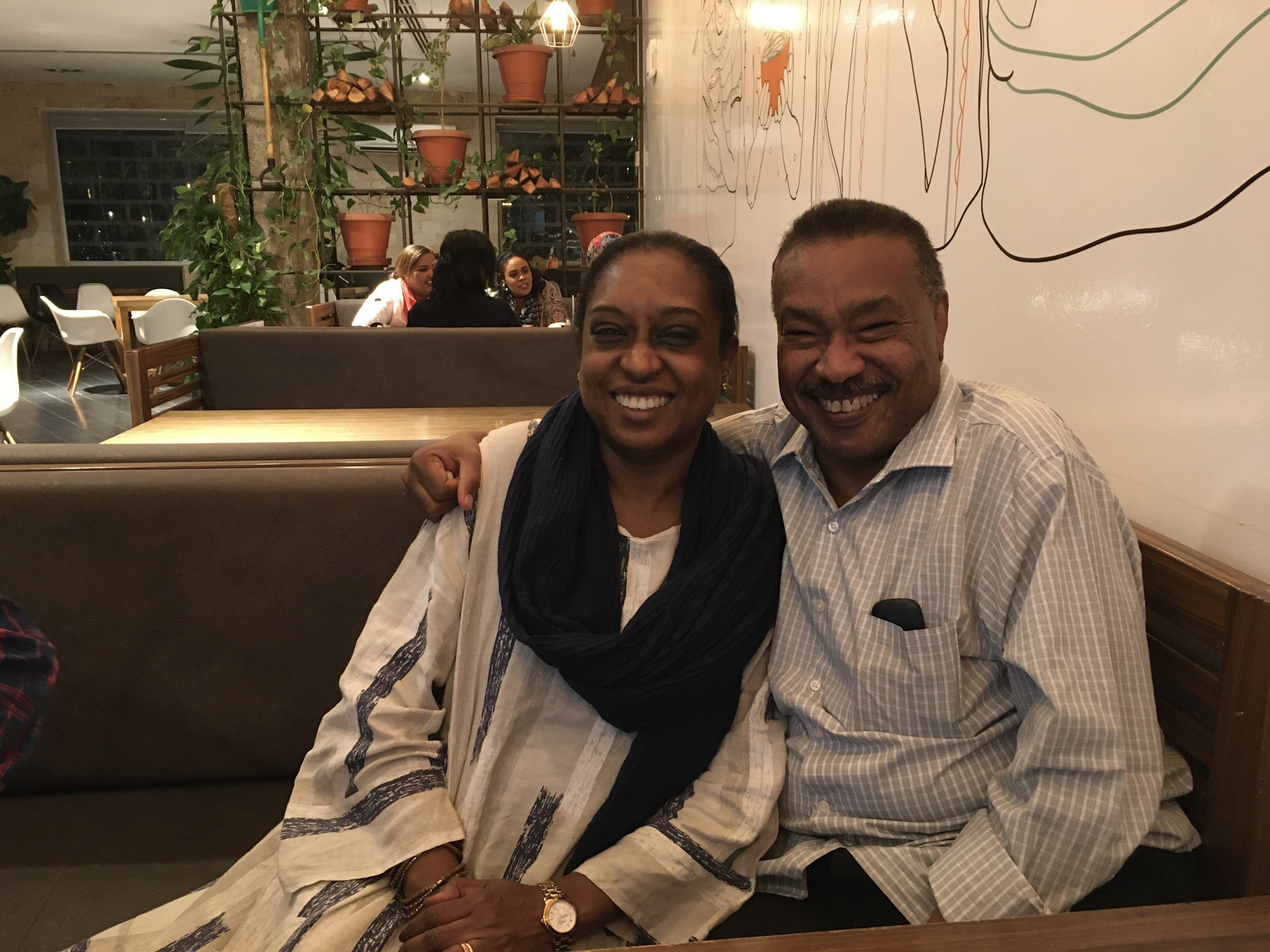
We were at home sleeping early in the morning when Maaz called; he was crying. We live close to the protest site so we just said come over, and bring anyone who needs help. We opened our doors to so many people, young people mostly who were hurt. Many couldn’t talk about their experiences. They were in shock. One person would start crying, and then another, and another. We tried to comfort them. Everyone knows someone who has been killed or beaten or raped. Now that there is a transitional government, we need to act to capitalize on the change that is possible. The women’s movement, for example, isn’t used to being able to operate above ground. It’s like for 30 years we’ve been gathering to push through the door. The door has suddenly broken down, but we’ve all collapsed on top of each other. It will be a lot of work to organize ourselves.
Sudan’s women’s movement has a vibrant history, but under al-Bashir they had to organize strategically and often stealthily. Women’s rights organizations are under-resourced and marginalized. But they continue to demand access to power and decision-making. A strong women’s movement in Sudan is critical to carry forward the revolution’s explicit demand for gender justice.
Reem
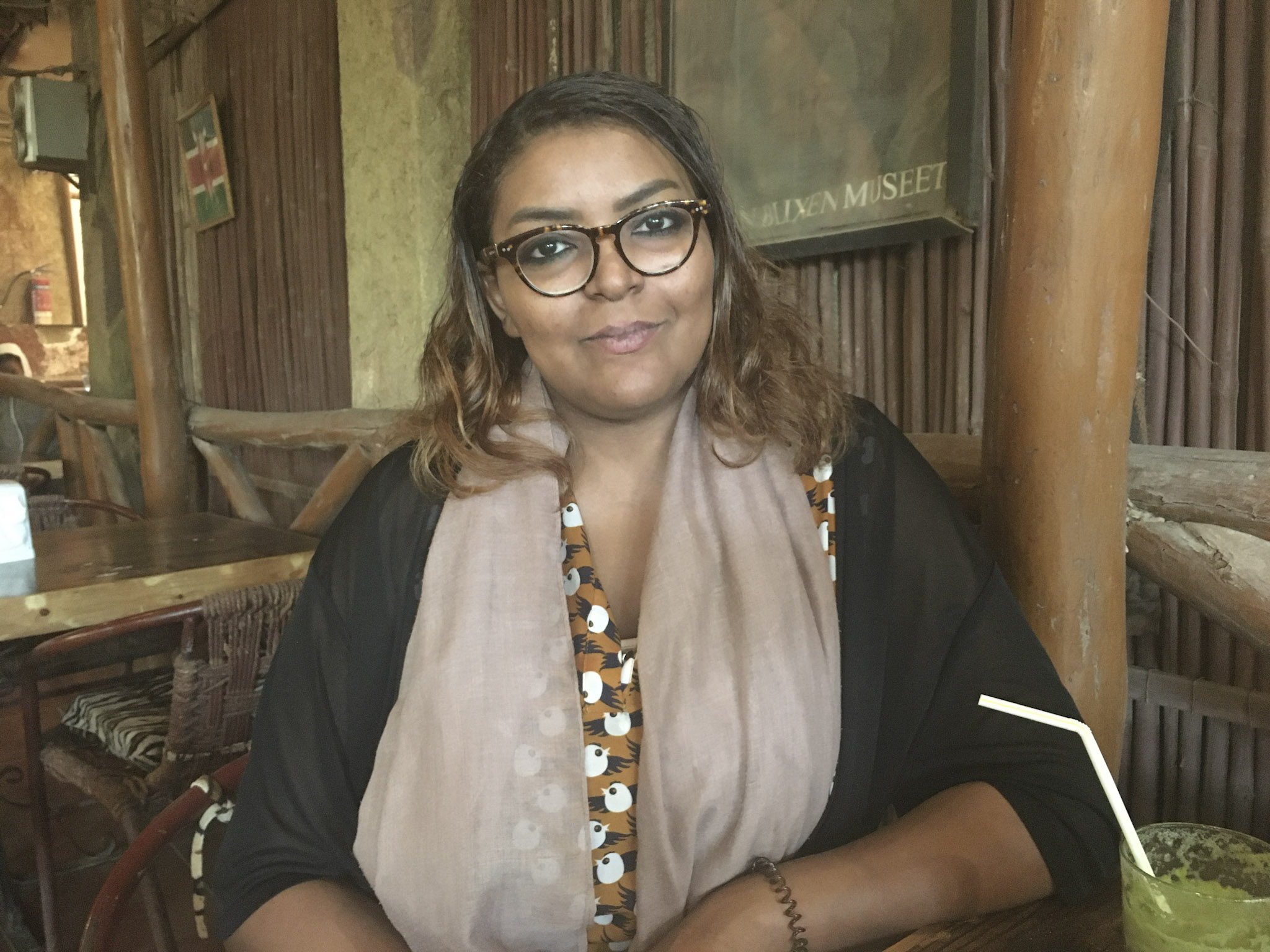
It was amazing during the protests to see the march of divorced women, who are stigmatized in Sudan. It was extremely moving for me. I am watching the “new Sudan” to see what concrete changes there will be. For example, though the public order laws have been denounced by the Minister of Justice, they are still on the books. And the infrastructure related to public order – the public order police, the special courts, the fines, the jails – still exists. There are vested financial interests in the public order laws. When we talk about the Deep State, we are talking about these entrenched vested interests. I want to know how they will be addressed. It will not be easy.
The challenges in Sudan are immense, economically, politically and socially. Military, political and business interests remain opposed to sharing power and wealth with the majority of Sudanese, many of whom live in poverty with little access to quality healthcare and education. Still, the determination of women’s rights activists across Sudan gives hope that peaceful change will continue. Inter Pares is committed to supporting this change over the long term.
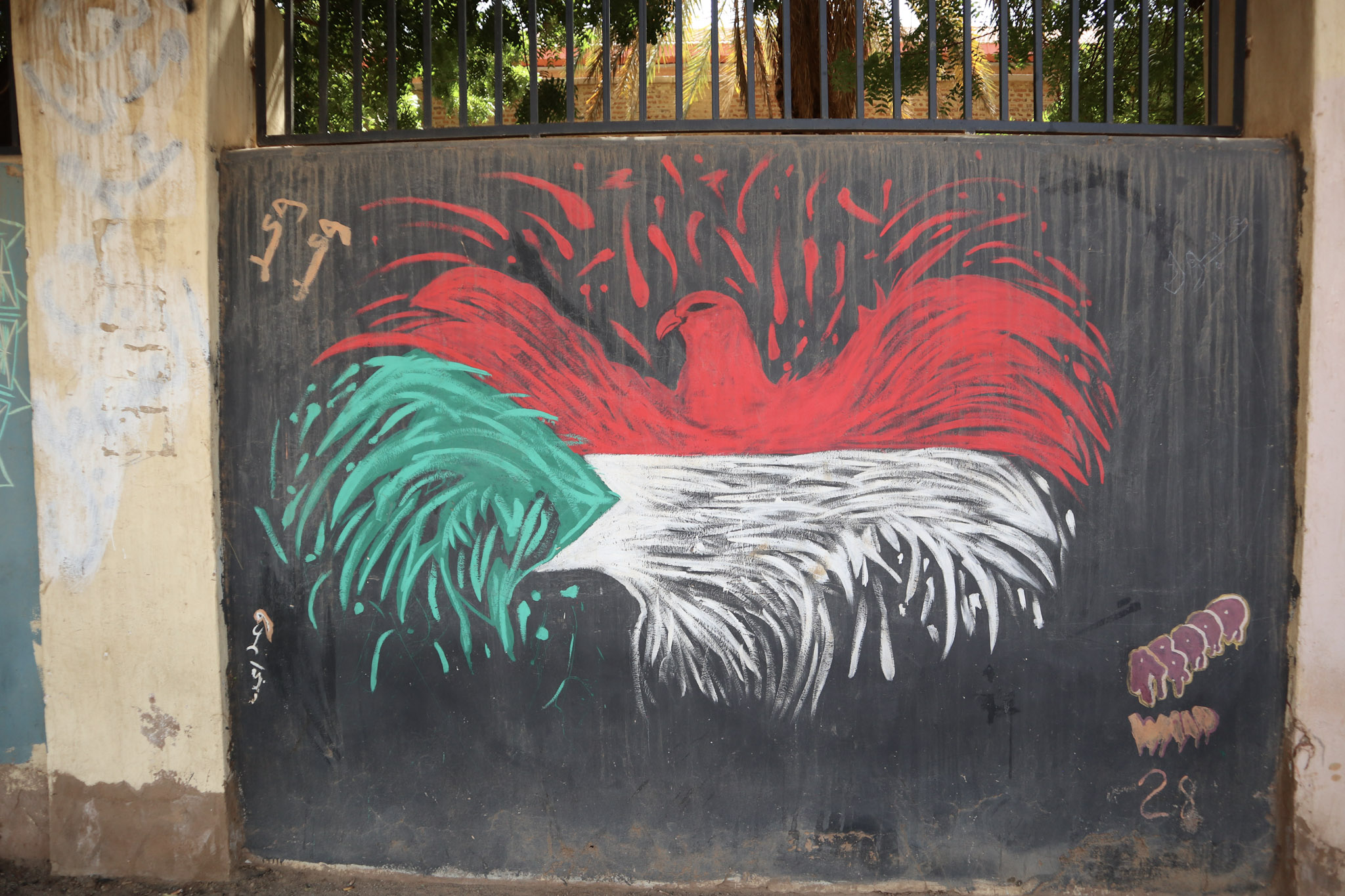
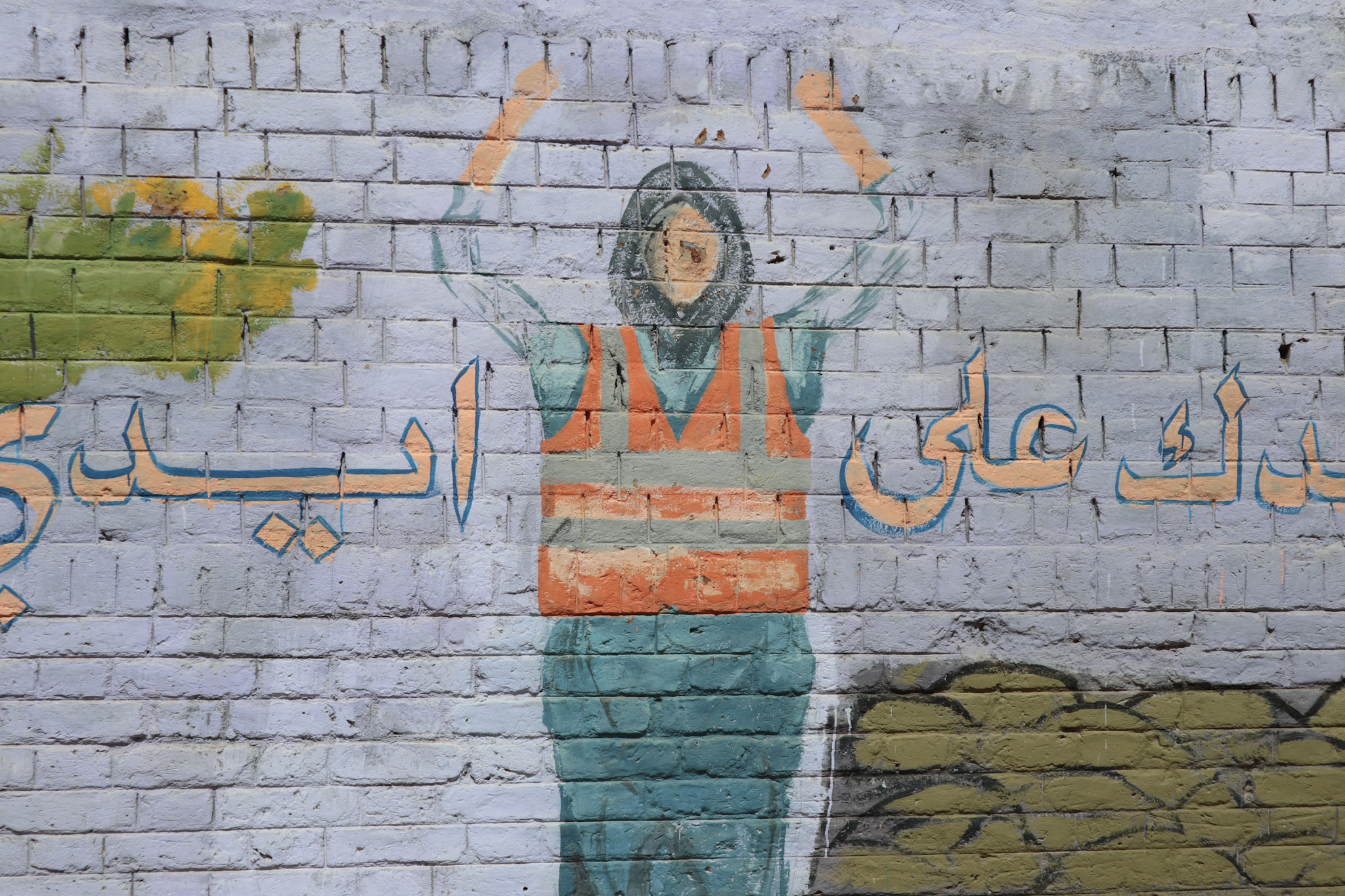
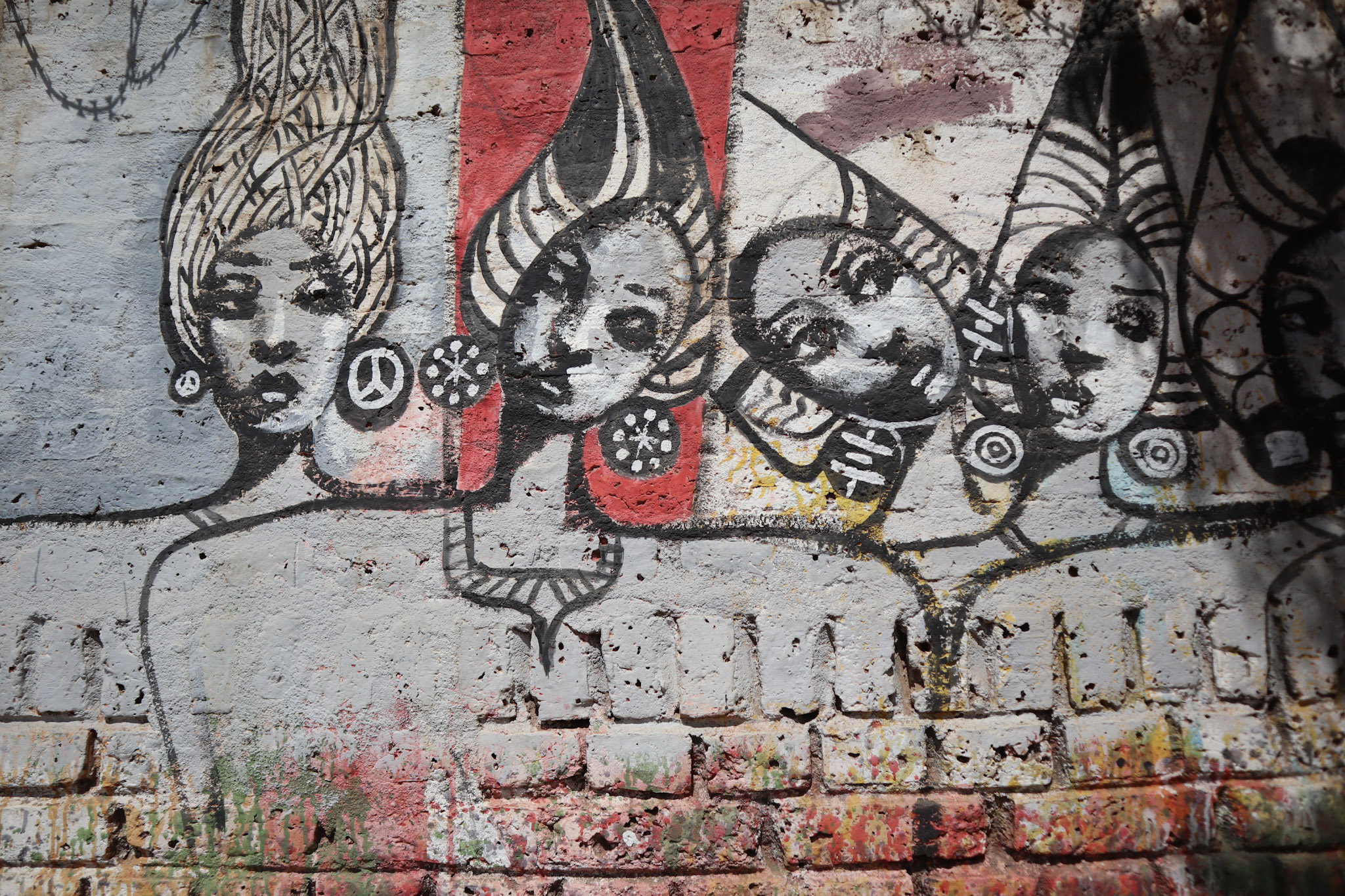
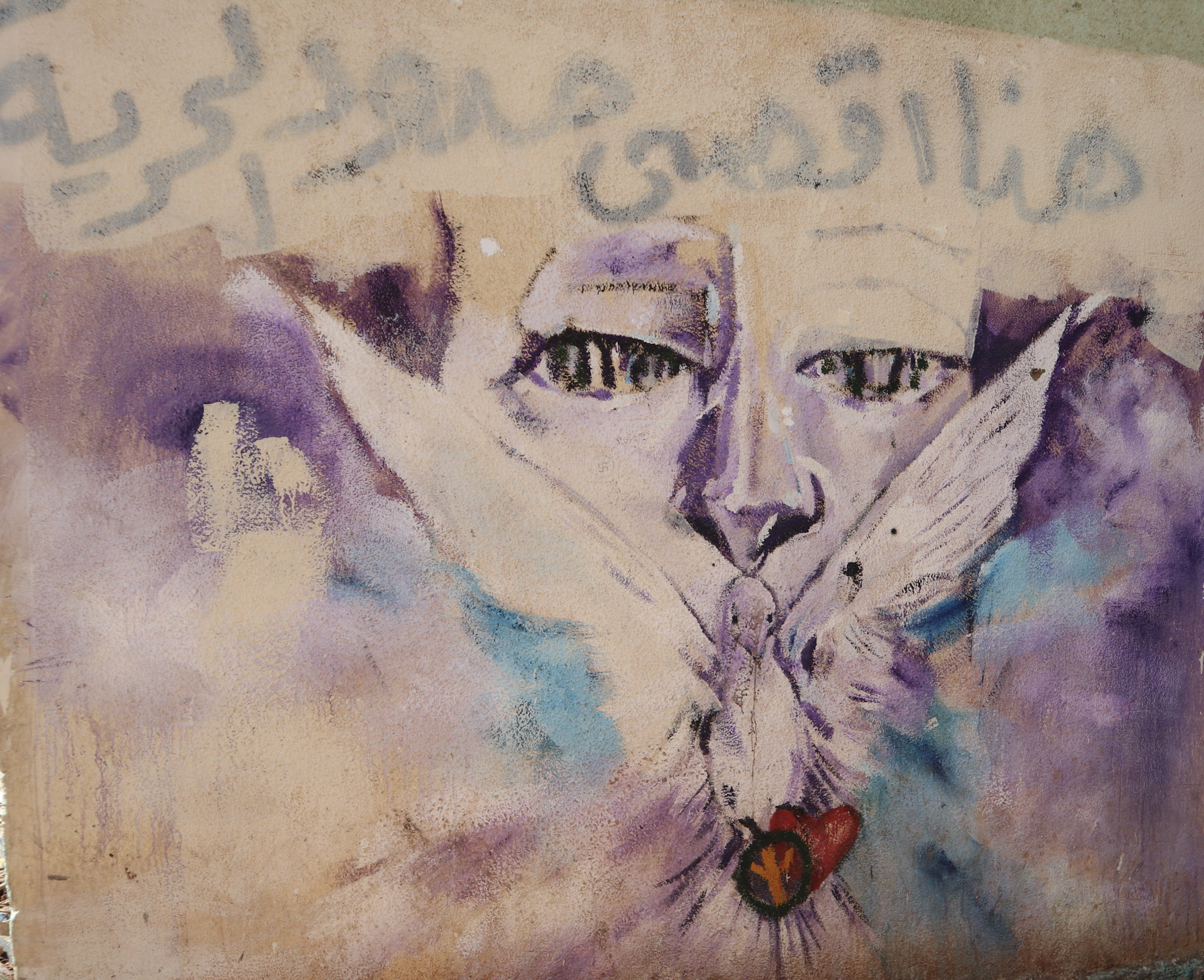
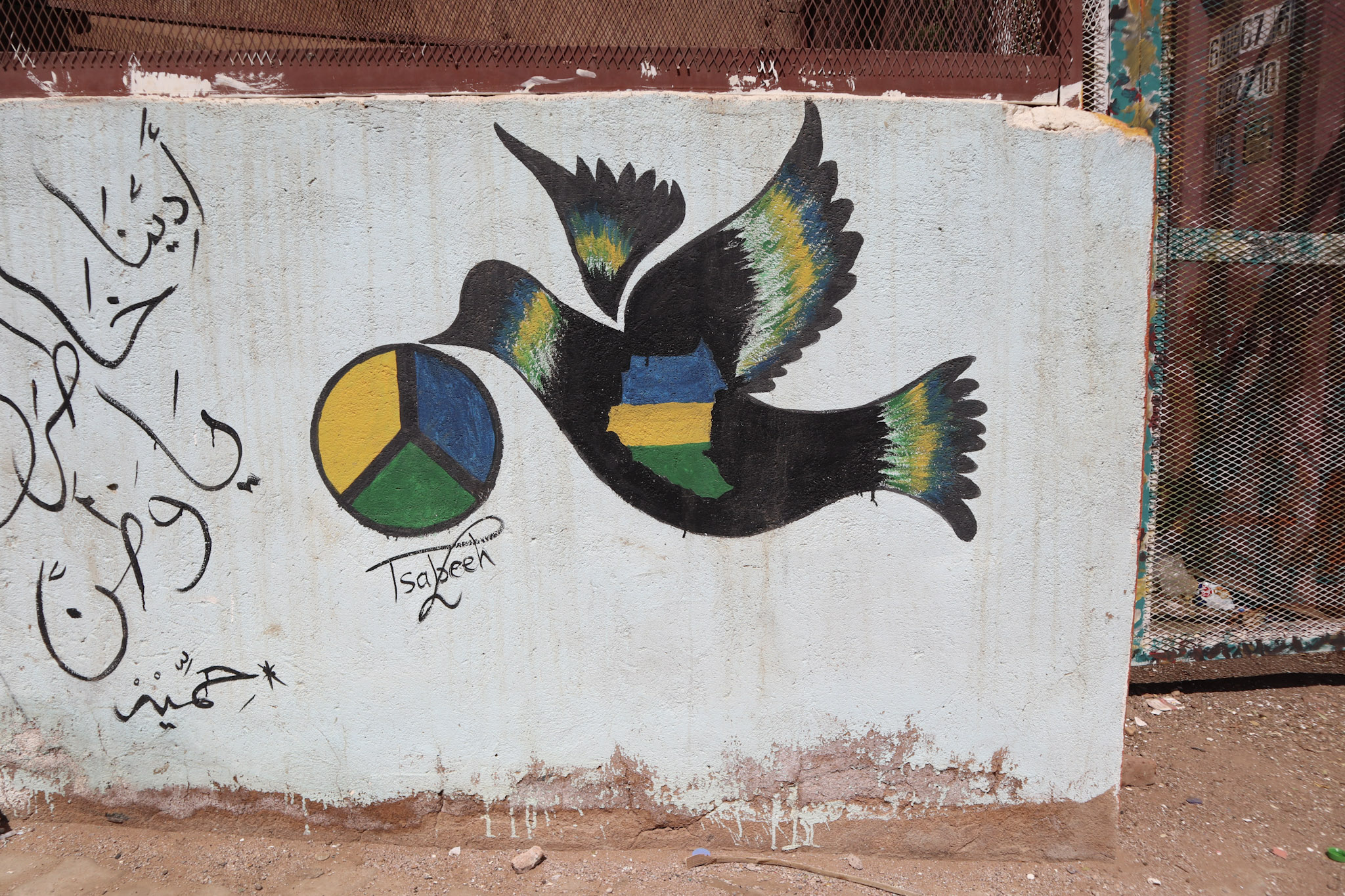
In the streets of Khartoum, murals of struggle and hope document Sudan's revolution.