
In many parts of the world, March 8 is a major day to denounce discrimination, inequality and violence against all women. It is also a day that celebrates women’s undeniable contribution to society.
For almost two years now, the pandemic, climate change and economic crises have undermined the health and safety of many women around the world. The struggle for women’s rights remains a collective endeavour we must all work on.
This year, we want to share with you the rallying words of our counterpart organizations around the world. Each counterpart brings a unique perspective to the fight for women’s equality. From the struggle for trans women’s rights in Colombia to women farmers’ rights in Guinea-Bissau, women are highlighting the need to act in solidarity. Together with our counterparts, we share the common struggle for an equitable future for all, regardless of gender.
Solidarity, a concept dear to Inter Pares, is at the heart of our relationship with our counterparts. Still too often in the background, these proud, fighting women are sharing their wishes, struggles and successes with you today.
Happy International Women’s Day!
Our counterparts share their rallying cries for International Women’s Day 2022
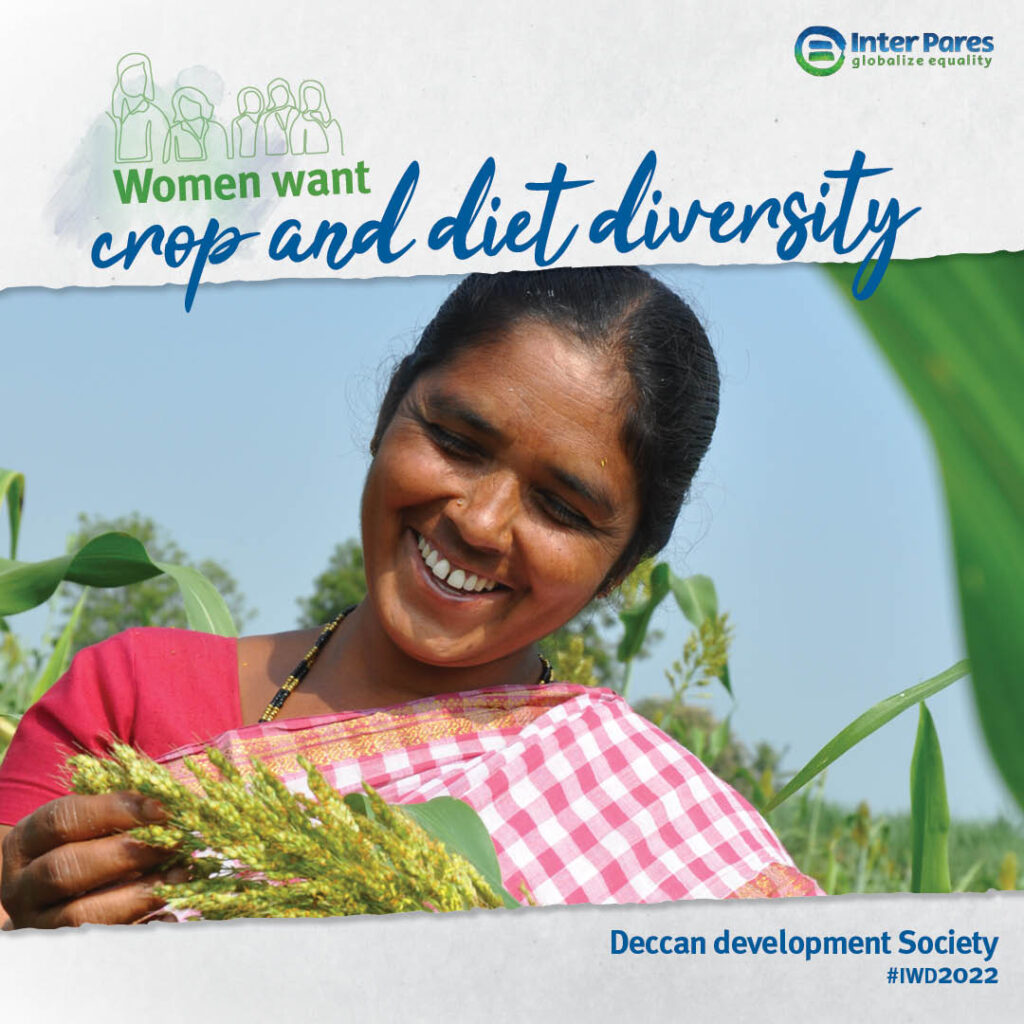
We want agriculture to be sustainable because we want safe food and a nutrition secure future for our children.
The Deccan Development Society (DDS) is a grassroots organization working with women’s groups in about seventy-five villages in Telangana State, India. The 5,000 women members of DDS have developed community-based food sovereignty systems based on local knowledge, including grain and seed banks.
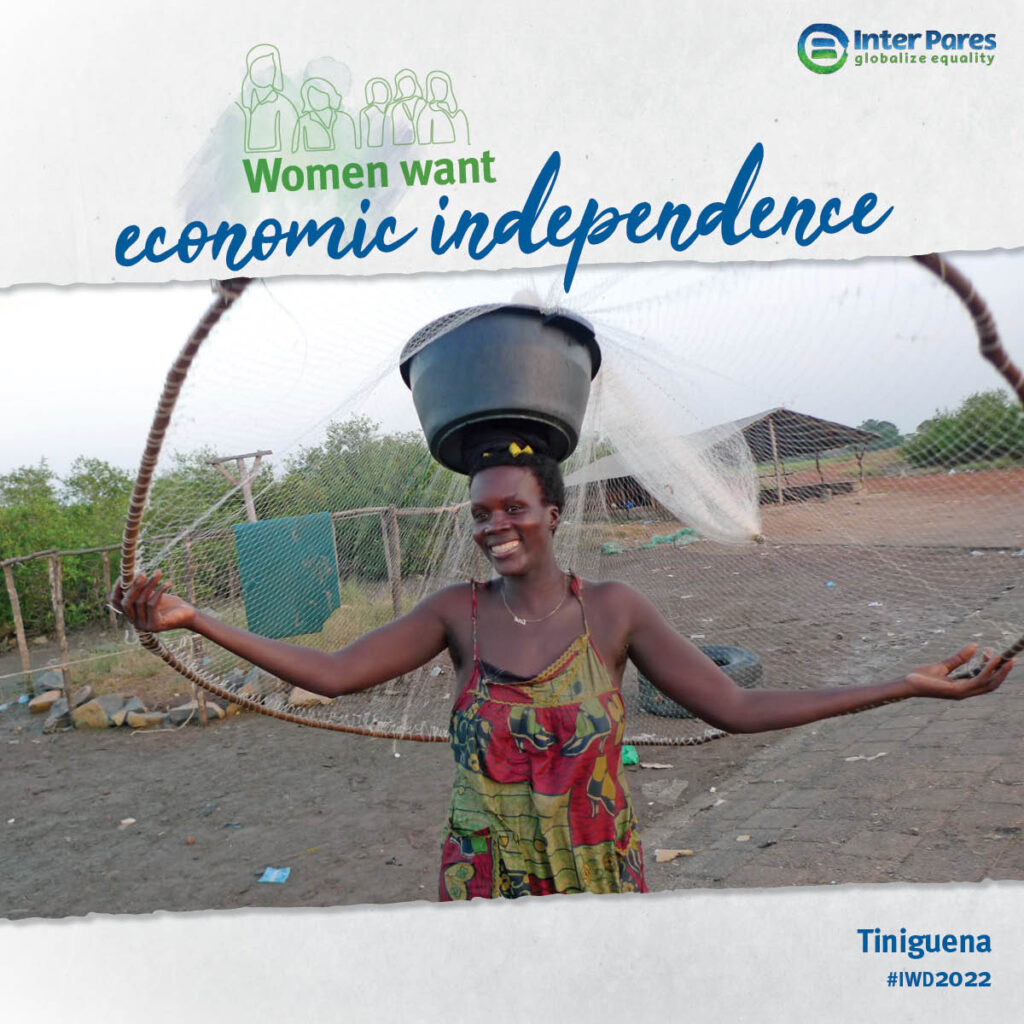
We want economic independence.
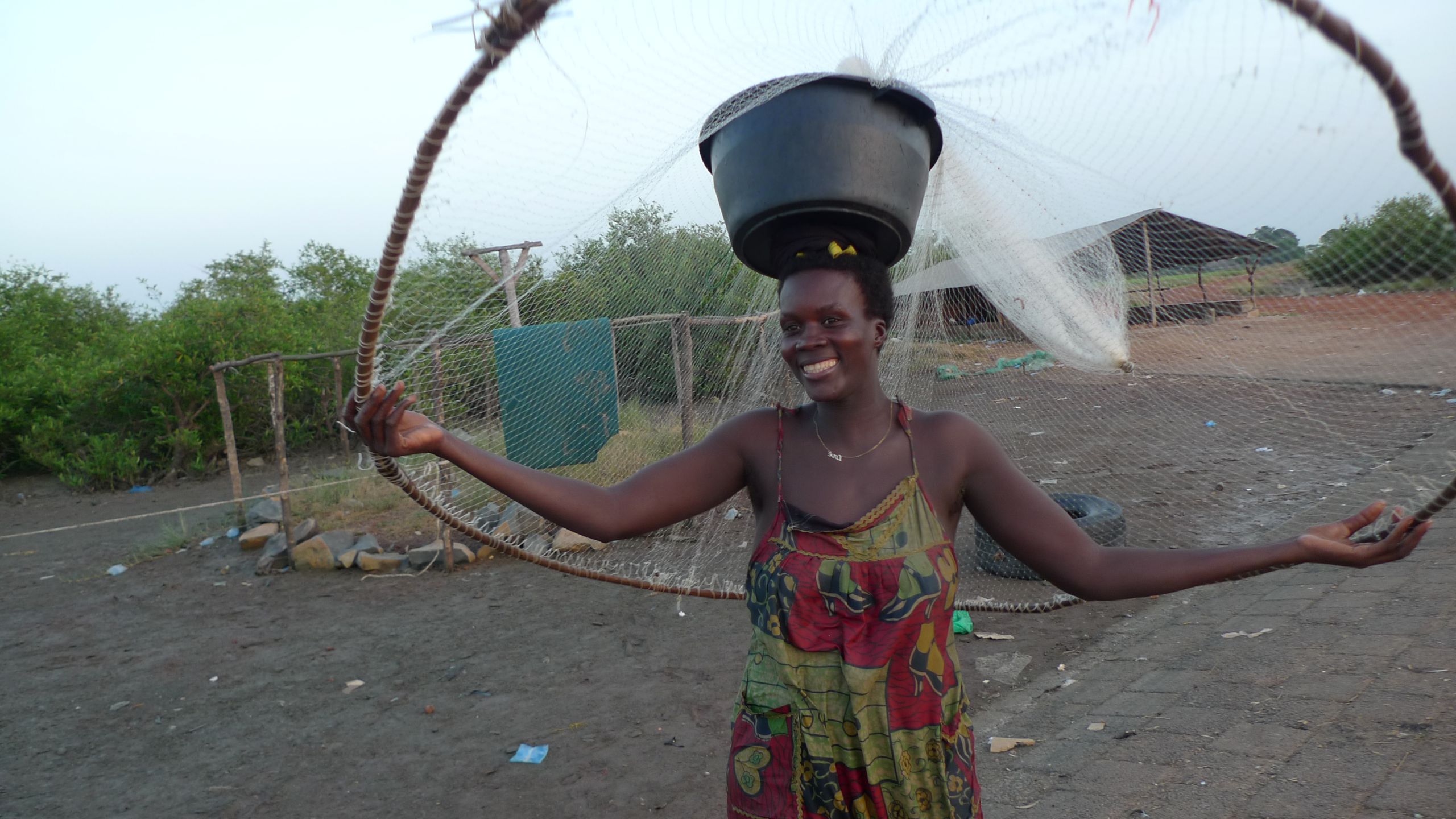
On her way to fish for bentaninha in the Enxudé mangroves, Quínara region.Women are the main engine of the rural economy, but tradition prohibits essential economic rights.
In Guinea-Bissau, Tiniguena has earned a national reputation for creative environmental education and leadership, promoting sustainable livelihoods for rural communities, and encouraging citizen action for peace and democracy.
Tiniguena helped create the first ever Communal Marine Protected Area in West Africa, a model for community-based biodiversity conservation that has been recognized worldwide.
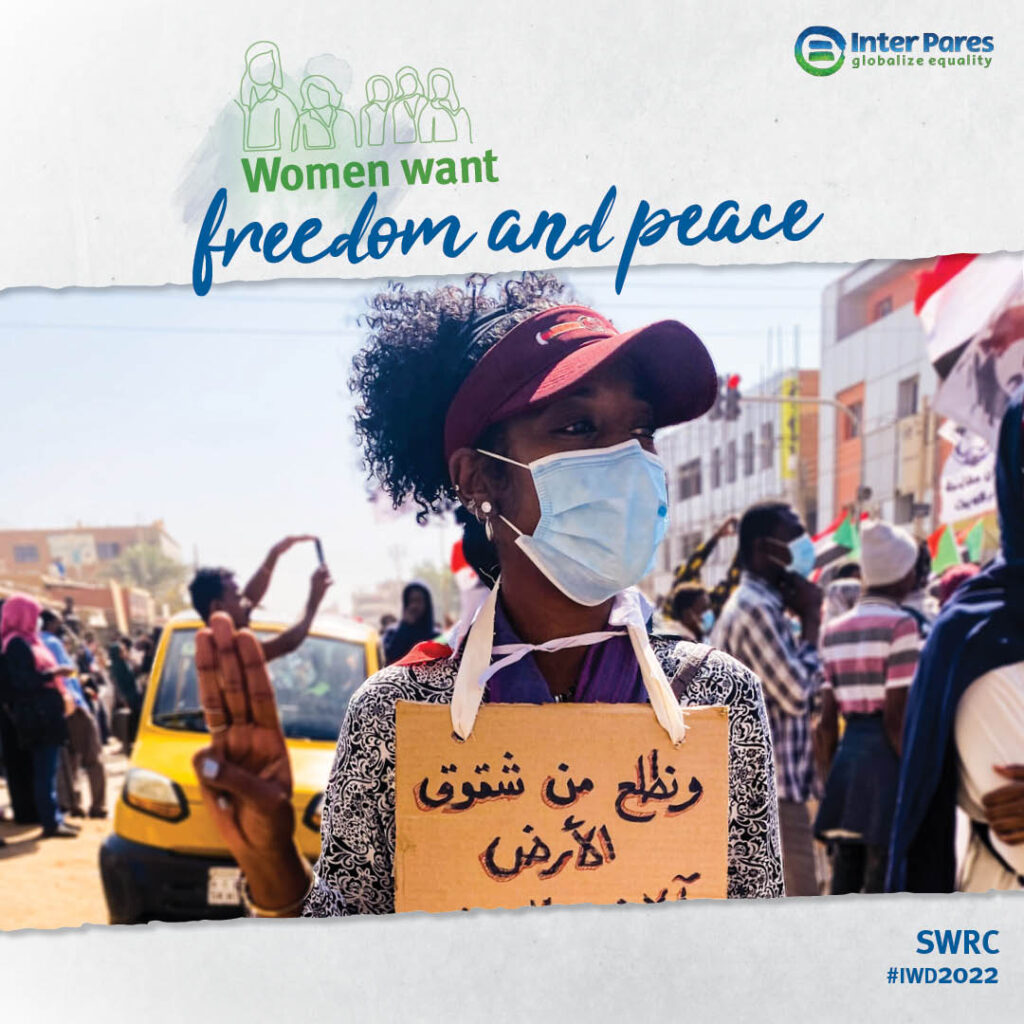
We come out from within the earth cracks to form thousands of high rising cities. This land belongs to us, belongs to the free, to the women and to the new generation of children.
Protest against the military junta in Sudan that seized power illegitimately in late 2021. Youth and women, including young women, are very present in the continuous wave of protests around the country since then, called “Marches of Millions.”
SWRC focuses on issues of women’s rights, peace and democracy through youth and feminist activism. Founded in 2014 in the wake of Salmmah’s closure, they are involved in raising public awareness and building the skills, knowledge and confidence of young people, particularly women, to be able to contribute to social justice movements in Sudan.
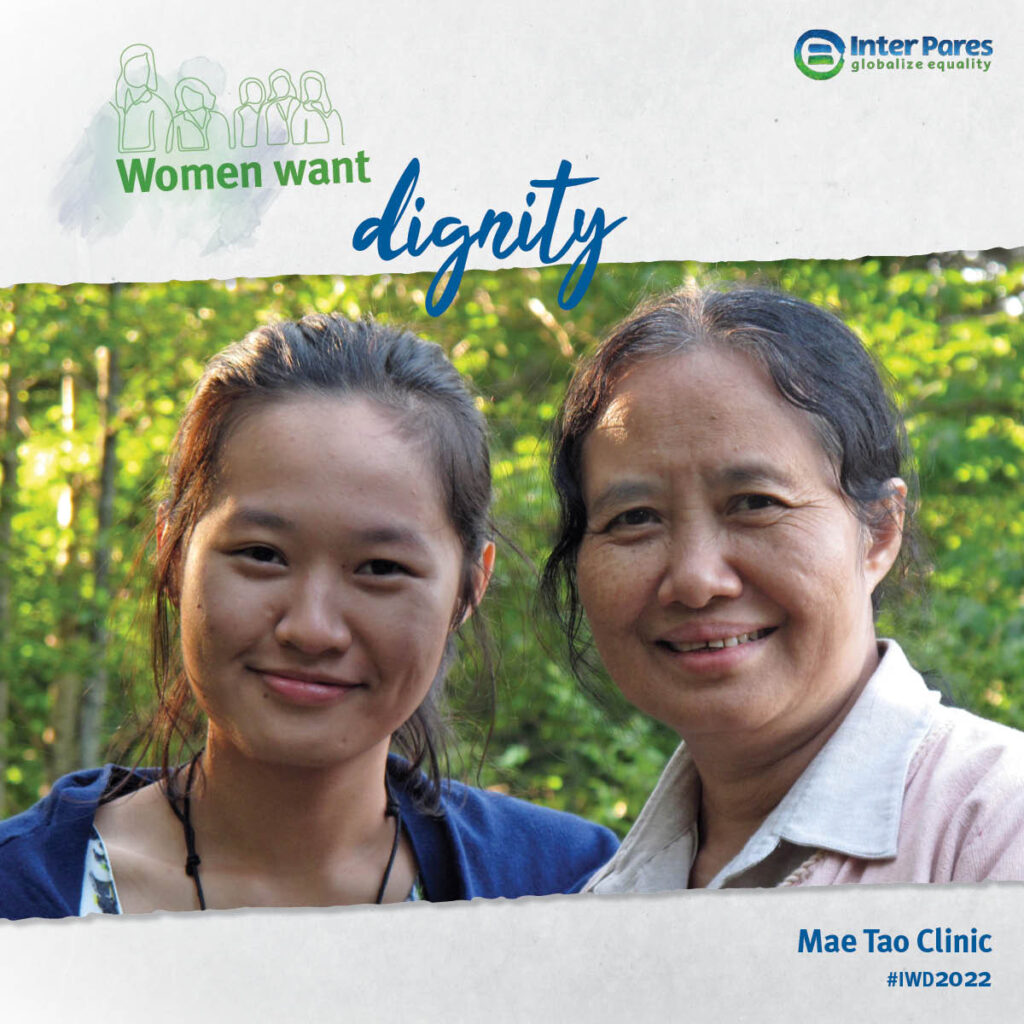
We want dignity for all human beings because recognizing the dignity of all human beings is the first step toward creating harmony and unity in the community and society. It is fundamental to building peace and stability.
Dr. Cynthia has been advocating for equitable access to health, education and protection for displaced and migrants along Thailand-Burma border for more than 30 years.
The Mae Tao Clinic was established by Dr. Cynthia Maung, herself a Burmese refugee. The clinic provides a range of health services for refugees, migrant workers, and other individuals. The clinic is also a major training centre for health-care providers.
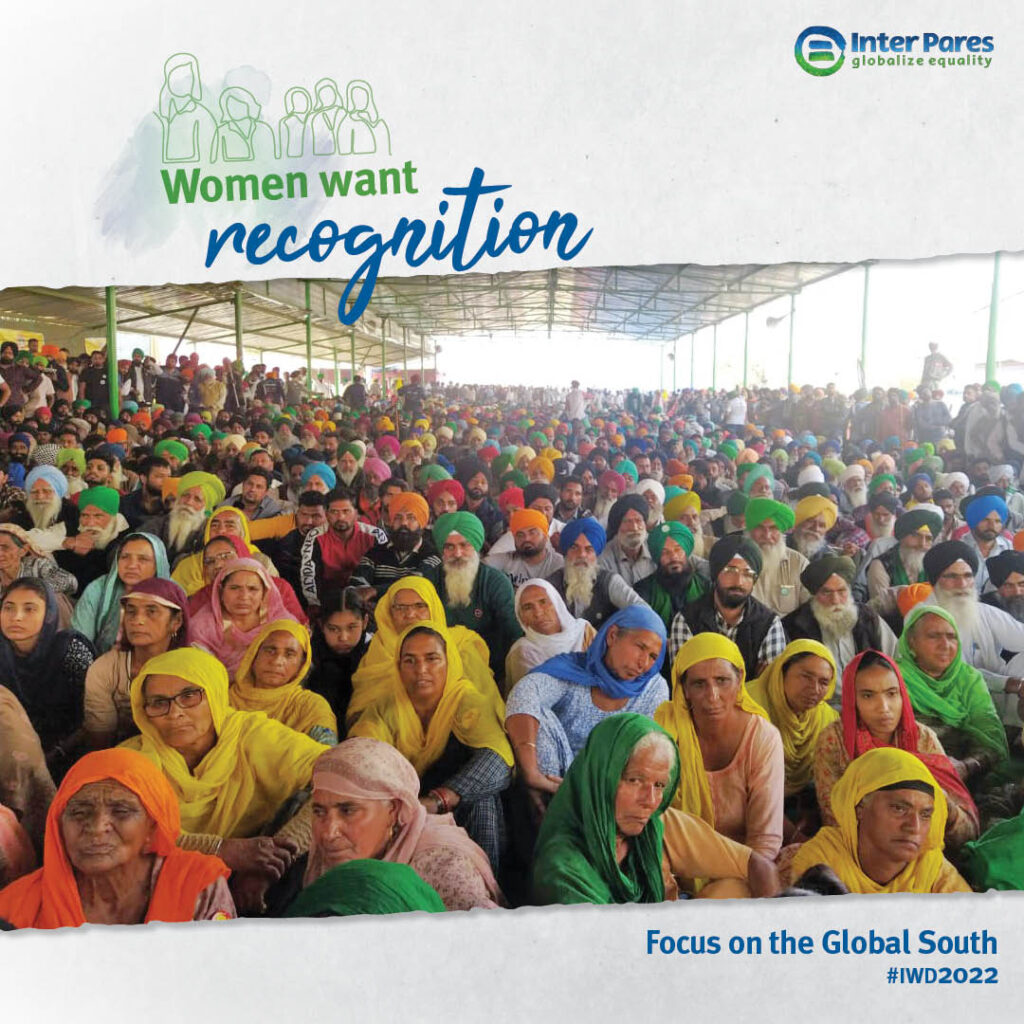
We want recognition of women as producers because women’s labour is the backbone of agriculture.
Women from Samyukta Kisan Morcha (United Farmers Front) were at the forefront of the historic farmers’ protests in India and here are joining the celebration of the first anniversary of their victory in November, 2021.
Focus on the Global South is a regional organization that assists many local groups throughout Asia to in their social justice struggles. By providing research and analysis of the economic, political and social systems that result in women’s poverty and marginalization they broaden people’s awareness and help to make links between struggles.
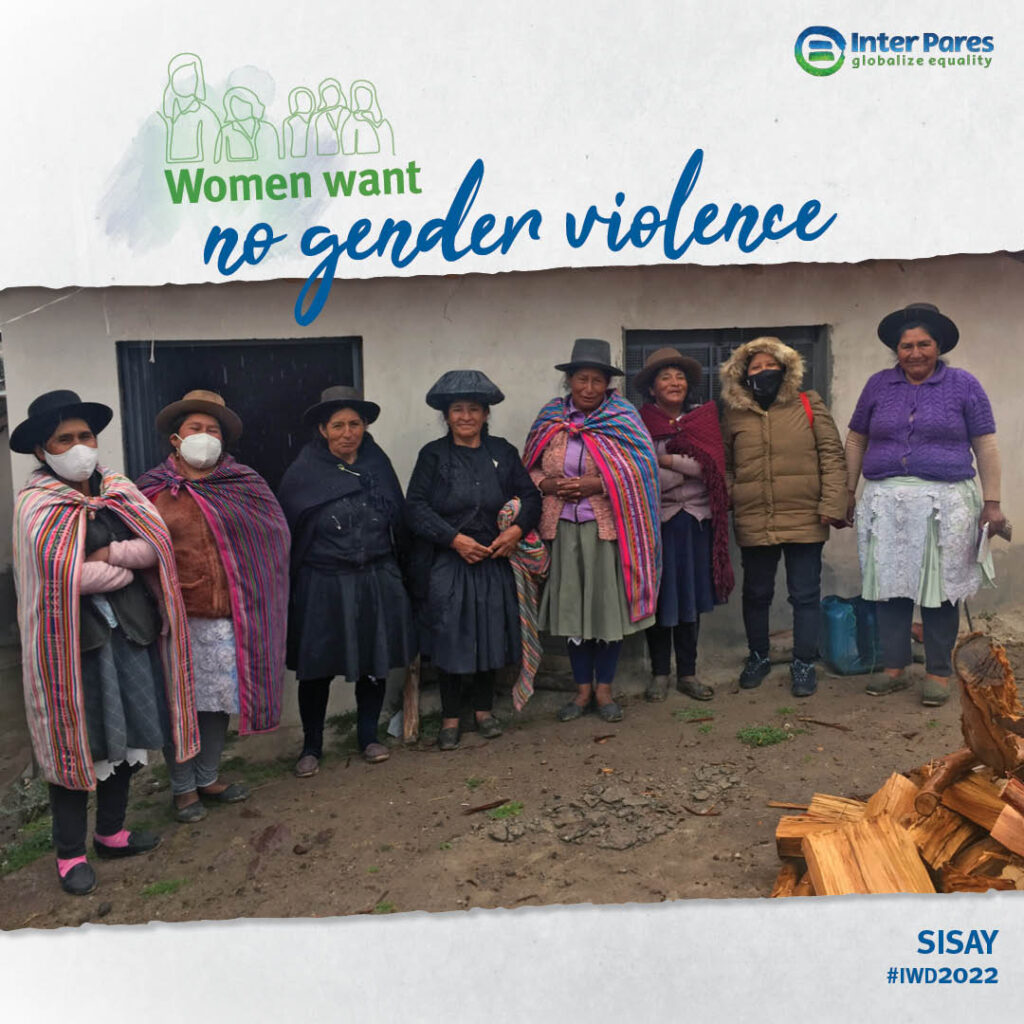
We,the women of the Sumaq Wayta Association of Women Affected by Forced Sterilizations of Huamanga - Ayacucho, want to say enough to gender violence because it does not allow us to live in equality.
In Socos/Huamanga – Ayacucho, Peru, women searching for truth, justice and reparation.
SISAY (Centro de Desarrollo Andino, Centre for Andean Development) provides technical and organizational assistance to rural communities in Ayacucho and Huancavelica, emphasizing programs that address poverty and food security. Those programs aim at the implementation of institutional reforms around rights to promote the inclusion of populations in a sustainable economy, and their access to full citizenship.
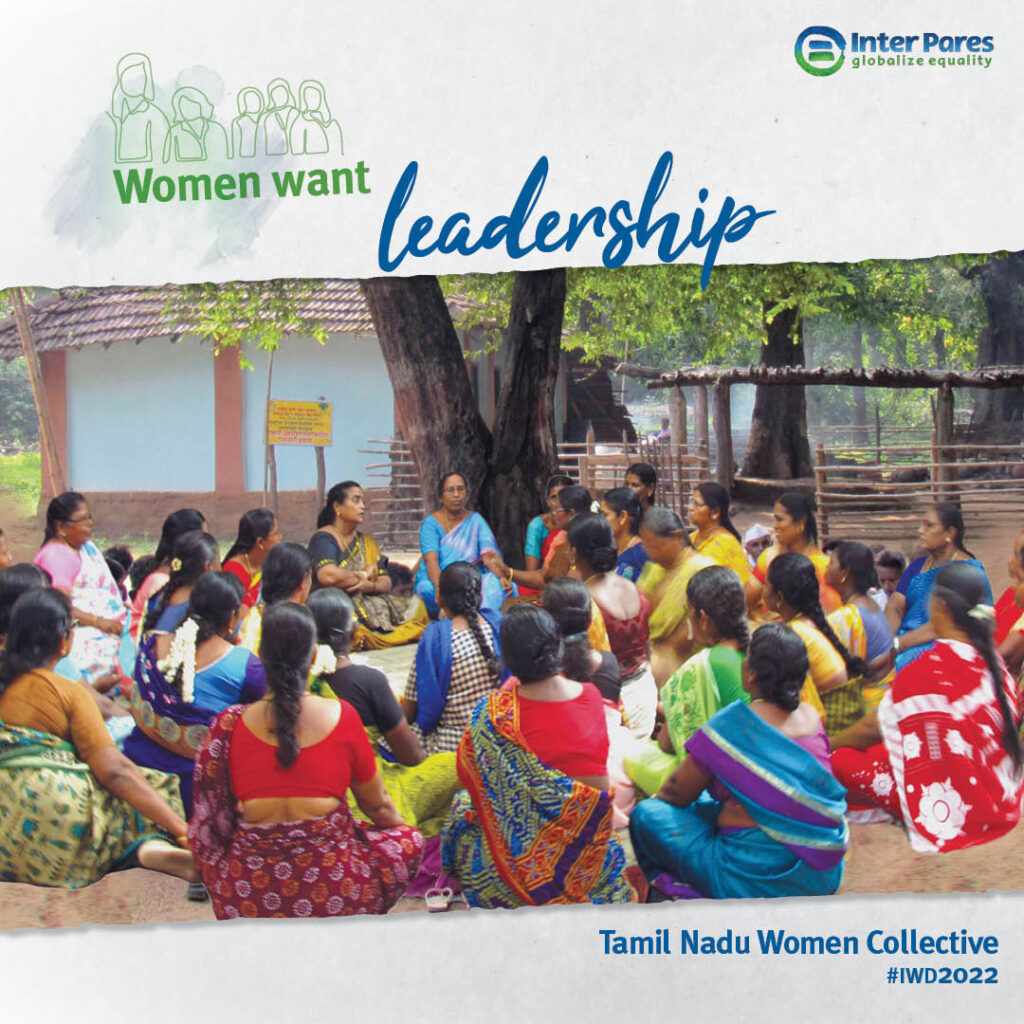
We want leadership.
The Women’s Collective brings together over 100,000 marginalized women from villages across the state of Tamil Nadu, India, to organize themselves in local groups. Women become aware of their rights and learn to analyse the systems that keep them poor and marginalized, and what needs to change.
Local groups work to address violence against women, assist women farmers to use agroecological production, and support the political participation of women. Women become empowered to assume leadership within their groups and beyond in their communities.
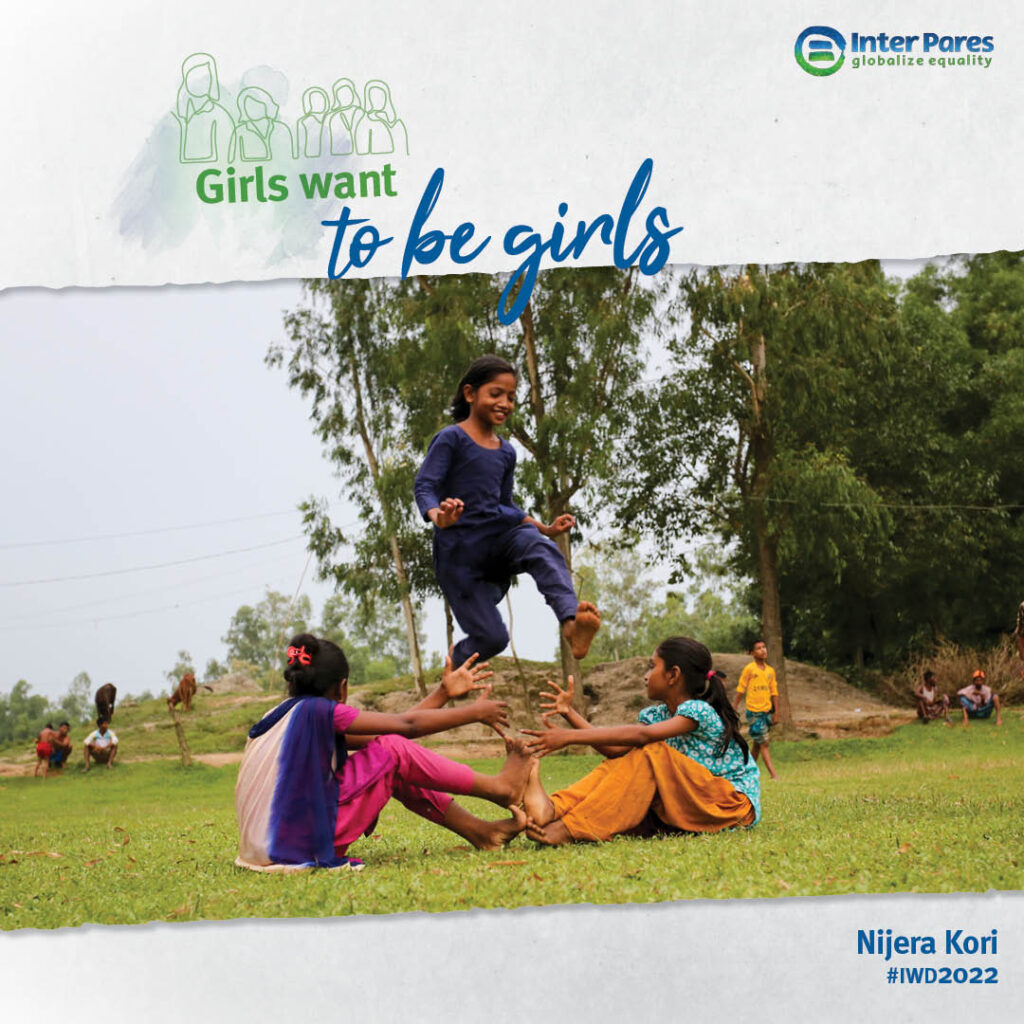
Girls want to be girls.
Since 1980, Nijera Kori has accompanied poor and marginalized people in Bangladesh to organize themselves in over 11,000 local groups in more than 1,100 villages.
Through rights-based education women and men come to know their rights and mobilize to take collective action to hold the state accountable for these rights. This manifests itself in actions that strengthen women’s rights, stopping violence against women, obtain land for families without land, ensure access to social programs, and stop local corruption. A major focus recently is on stopping child marriage and allowing girls to be children.
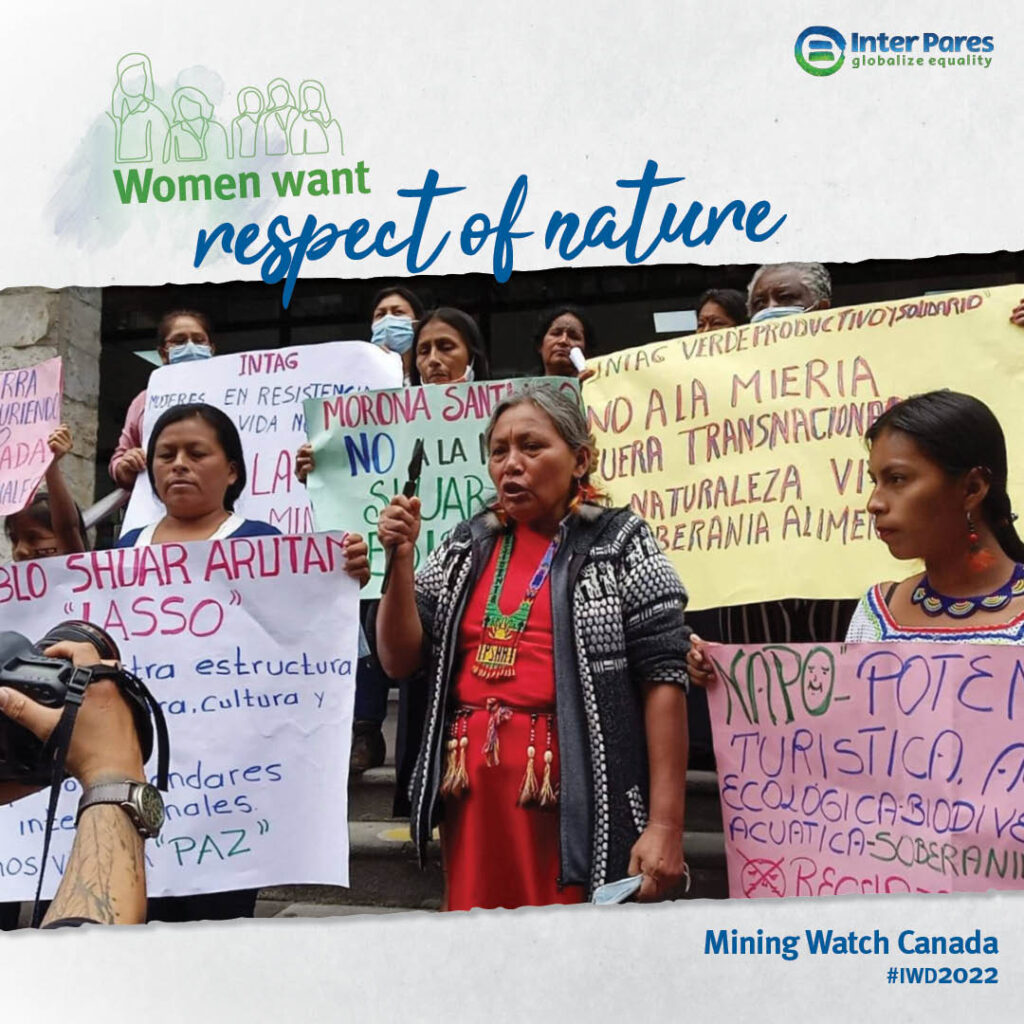
We want to defend the forests and the water because they are Life. I’ll stress that without water and without the forests, human beings cannot live.
Josefina Tunki, President of the Shuar Arutam People (PSHA) in Ecuador, is speaking out against the threats posed by Canadian mining operations to Shuar Arutam territory.
MiningWatch Canada works toward a world in which Indigenous peoples can effectively exercise their rights to self-determination, communities must consent before any mining activities may occur, and mineworkers are guaranteed safe and healthy conditions.
Affected peoples and communities have the means to protect their human rights, ways of life, livelihoods and environment from the potential or actual effects of mineral exploration and extraction activities, and have effective access to justice and reparations for mining harms.
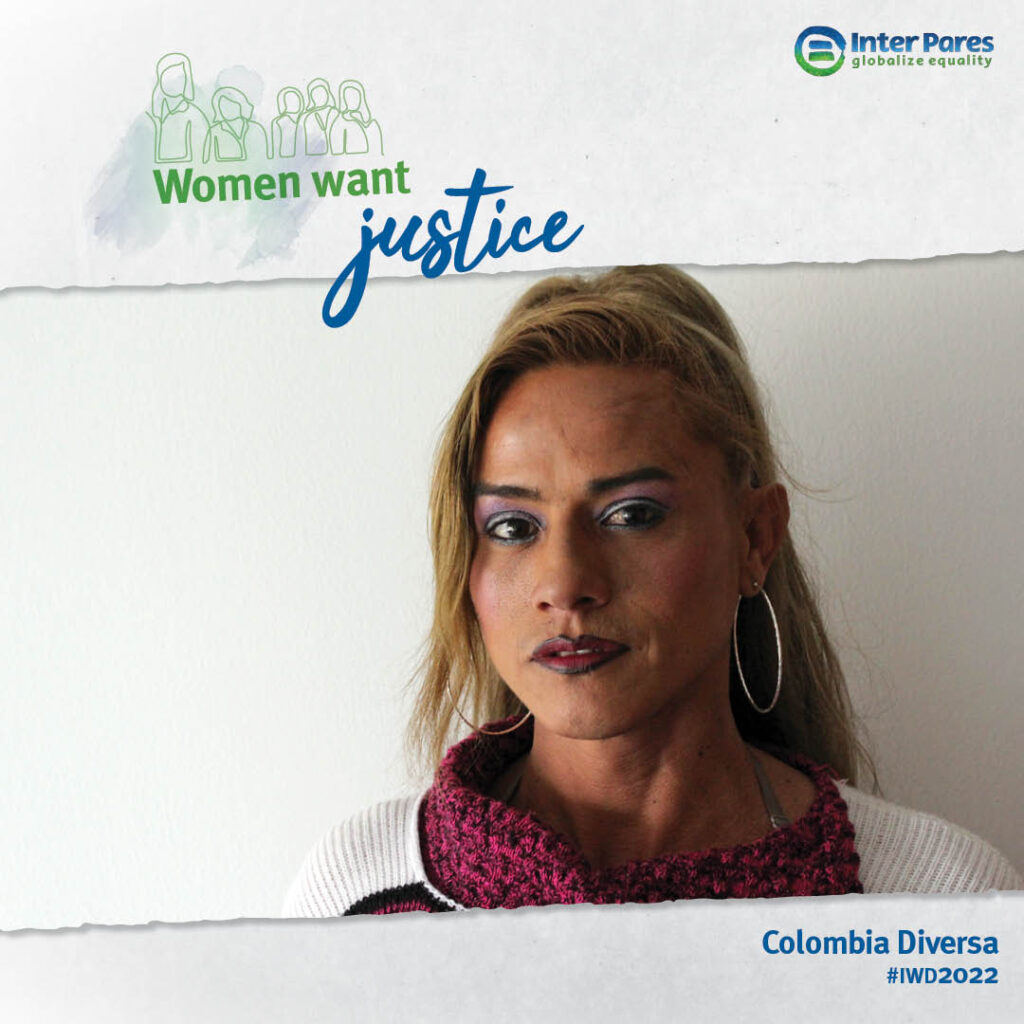
We want justice, because our lives matter.
Danna Méndez, victim of transfeminicide. She was born in 1997 in Chaparral, Tolima. Her dream was to work on historical memory and contribute to the construction of peace in her town marked by war.
Colombia Diversa mission is to promote the full inclusion and respect for the rights, recognition and mobilization of Lesbian, Gay, Bisexual and Transgender (LGBT) people in the economic, social, political and cultural spheres, in order to contribute to the construction of a modern and democratic society with social justice in Colombia.
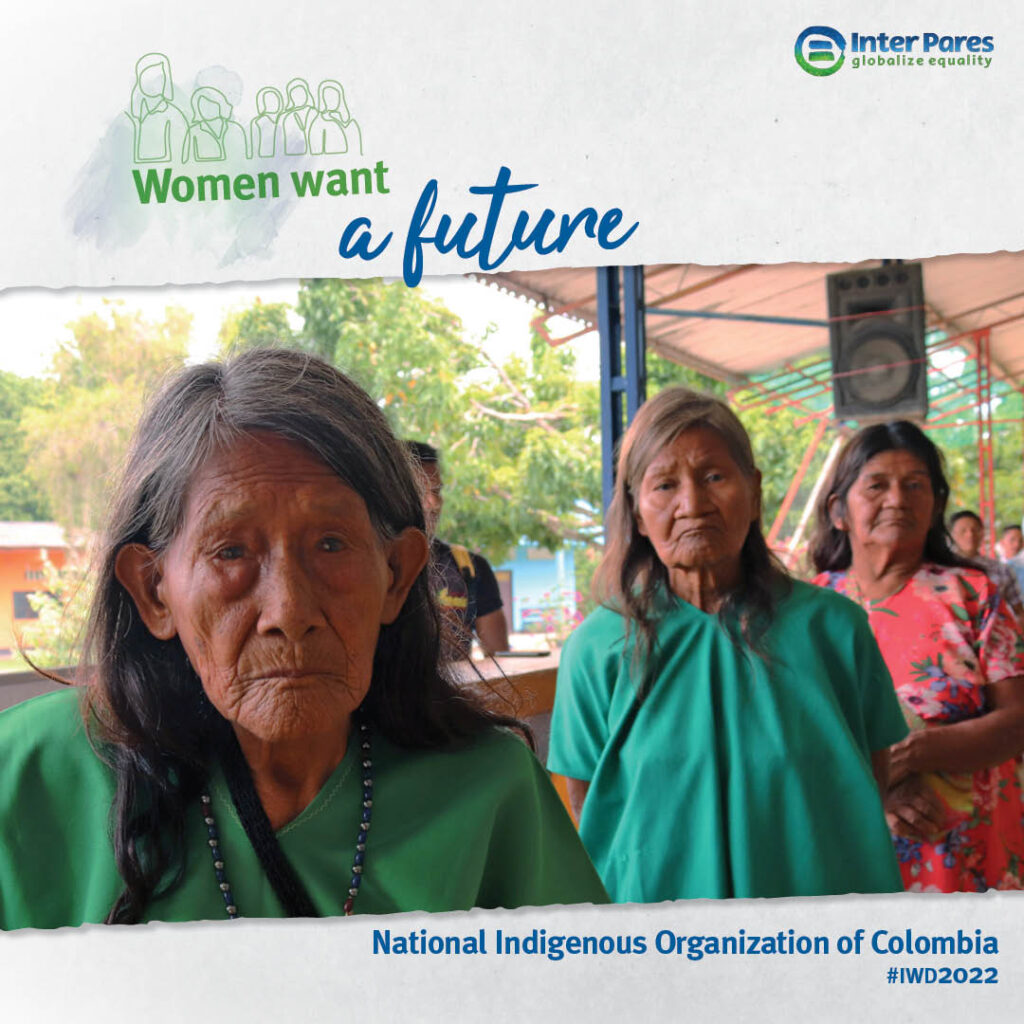
We want a future, because we want to be certain that our steps will follow their course...
…that future generations, guided by our wisdom, by the ancestral knowledge transmitted over time, will follow the path of resistance that has brought us so far as indigenous peoples. We want to hand over to future generations a prosperous territory, where there is no fear, where the guarantee of our rights is not a topic of discussion but a reality.
ONIC (Organización Nacional Indígena de Colombia, National Indigenous Organization of Colombia) defends the rights of indigenous people through strategies that defend indigenous autonomy and that work toward unified positions, and is currently the most important actor of its kind in Colombia. It represents many indigenous communities and has been important in raising the profile of indigenous issues in Colombia, both nationally and internationally.